


Most new sailors learn knots and basic maneuvers first.
Then they get surprised by a simple truth: wind direction decides your boat speed, your control near docks, and your collision avoidance choices.
Windward and leeward are the two words that keep you oriented when everything moves.
TL;DR
- Windward is the side the wind hits first; leeward is the sheltered side.
- Your windward side can change every time you change course.
- Upwind sailing depends on two foils: sails in air and keel (or foils) in water.
- From a dead stop, you usually cannot start close-hauled; you build speed first, then point up.
- Same tack and risk of collision: windward boat keeps clear of leeward boat.
- A Windex, sail luffing, and wind on your face are the fastest ways to identify windward vs leeward.
What do windward and leeward mean?
Windward and leeward describe position relative to the wind.
Windward
The upwind side. It faces the wind.
Leeward
The downwind side. It is sheltered from the wind.
What is the difference between windward and leeward?
Relative position to the wind
Think "where the wind comes from" vs "where the wind goes."
Windward is the side you face when you turn into the wind.
Leeward is the side behind the wind, where air is more disturbed and sheltered.
This also applies to islands, headlands, and even other boats.
Influence on sailing maneuvers
Approaching a dock or pontoon
Most skippers prefer an approach with the wind ahead or just off the bow because it slows the boat and gives better control.
If you approach with wind from behind, the boat tends to speed up when you want to slow down. That raises stress and risk.
Passing headlands and islands
Windward side is often rougher with more gusts and chop.
Leeward side can be flatter, but the wind can be patchy and turbulent.
Racing
Windward and leeward positioning decides who controls space at the start and who gets clean air.
Impact on stability and speed
Close to windward
- More heel.
- More load in sheets and rig.
- Good speed through the water, but you need tacks to make progress because you cannot sail straight into the wind.
Toward leeward
- Less heel on many boats.
- Often higher speeds, but you must manage directional stability and avoid accidental gybes.
How they affect sail trim
Use windward and leeward as your trim reference.
Upwind and close-hauled
- Sheets in tighter.
- Flatter sail shape.
- Focus on telltales streaming cleanly.
Reaching and downwind
- Sheets eased.
- Fuller sail shape.
- More twist is often helpful.
How to tell whether it is windward or leeward
-
Feel the wind on your body Stand in the cockpit. Turn until the wind hits your face. You are facing windward. The opposite side is leeward.
-
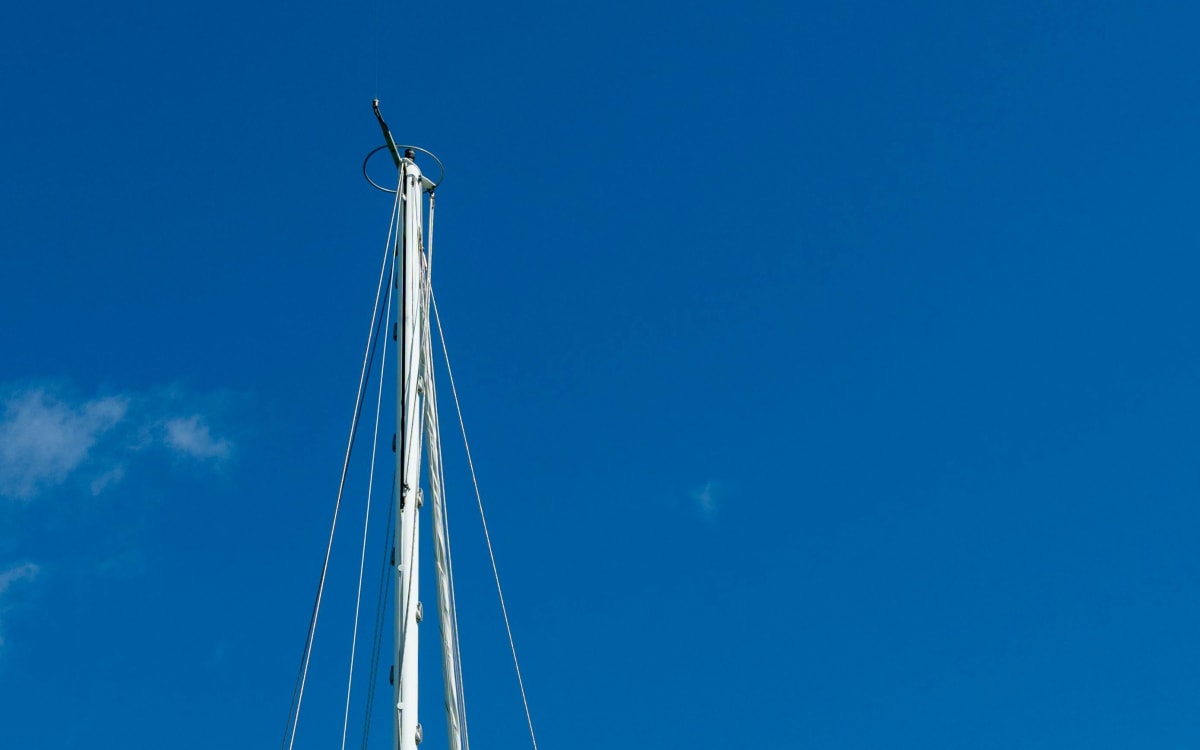
Look at the wind vane or Windex A masthead indicator points where apparent wind comes from. Map that direction onto the boat. The "upwind" side is windward.
-
Observe the sails If a sail luffs or flaps first on one side, that side is the windward side of the sail. The smoother, faster flow side is leeward.
-
Use shore clues when you can Flags, smoke, waves, and wind lines on the water can confirm direction.
Who has right of way: the windward boat or the leeward boat?
This is where people get it wrong under pressure, so keep it simple.
General rule between two sailing yachts
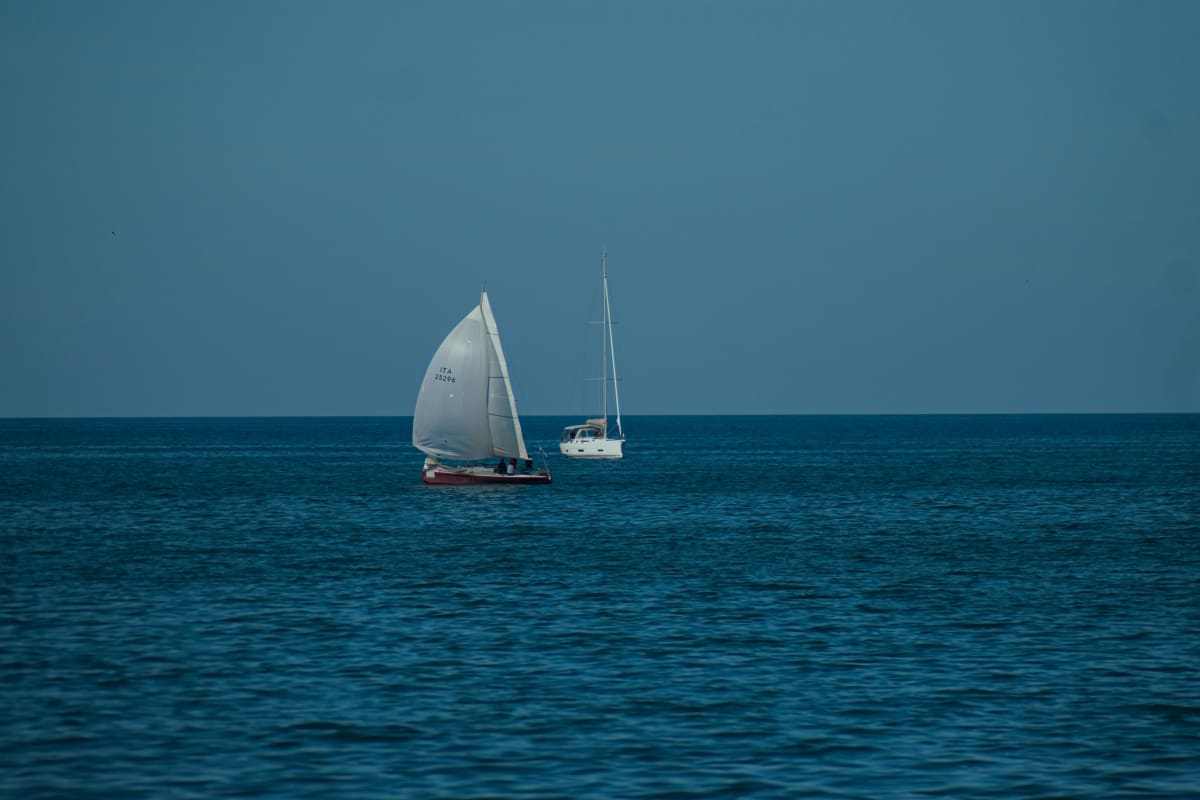
If two sailing vessels have the wind on the same side, the windward vessel must keep out of the way of the leeward vessel.
If they are on different tacks
The vessel on port tack keeps clear of the vessel on starboard tack.
Important safety reminder
Even when you are stand-on, you still must avoid collision if risk is building.
In racing
Racing rules also use windward and leeward for right-of-way when boats are on the same tack and overlapped.
Recreational sailing and harbors
In tight places, keep it conservative. Commercial traffic and limited-maneuver vessels can change what is smart even if you think you are stand-on.
Revisiting how sailboats sail windward
This section helps you avoid the common "sails pull the boat forward into the wind" explanation that causes confusion.
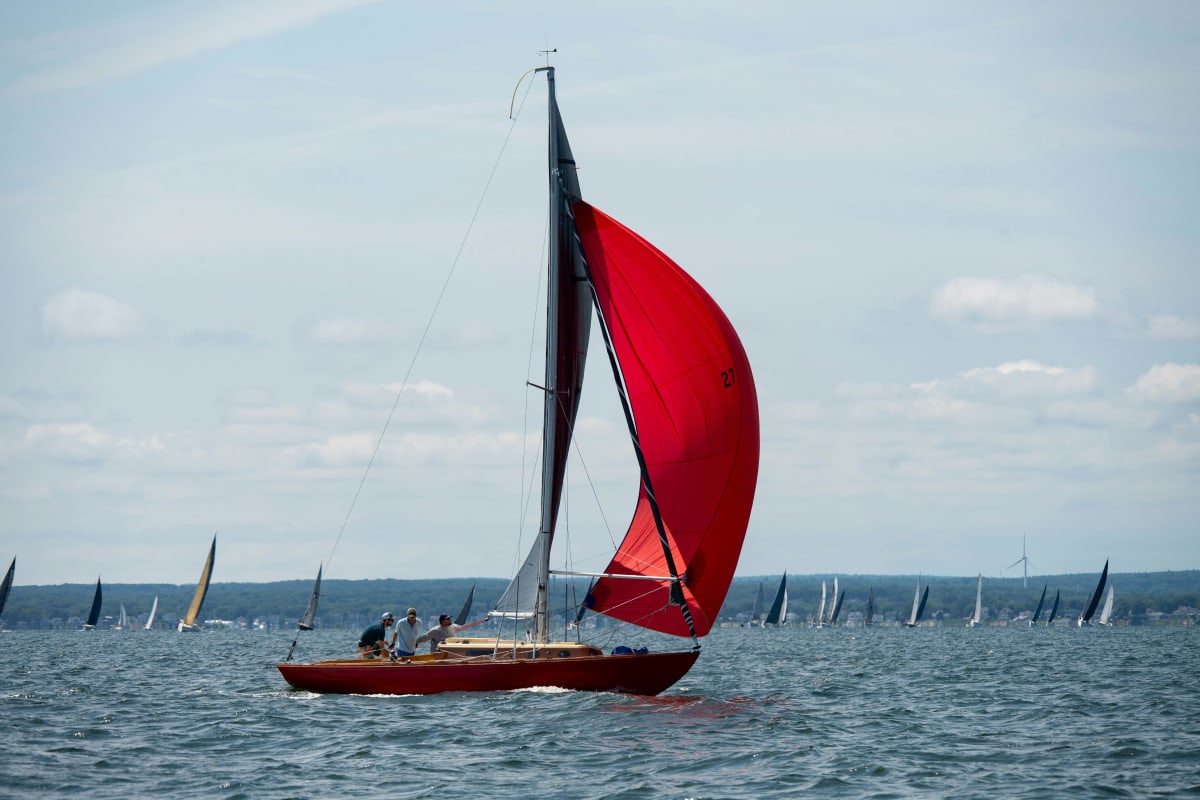
A sailboat goes upwind because of the combination of air forces and water forces, not sails alone.
Why the keel matters so much
Air is light. Water is dense. That density difference is why an underwater foil (keel, centerboard, rudder) can generate strong side force at modest boat speeds.
What the forces are doing in plain language
- The sails create an aerodynamic force that is mostly sideways plus some forward component.
- The boat makes a small amount of leeway. That sideways motion gives the keel an angle of attack in the water.
- The keel generates lift in the water that resists leeway.
- Add the two systems together and the net result is forward progress on a course angled to the wind. You tack to make overall windward progress.
Why starting from a dead stop feels hard upwind
With no water flow over the keel, the keel cannot generate meaningful lift. So the boat often drifts sideways at first. You build speed on a slightly freer angle, then head up once the foils are working.
Ready to sail?
If you want a simple drill to lock this in during your next trip:
- Call out windward and leeward every time you change course.
- Confirm with the Windex and with sail luffing.
- Do three approaches to a berth: one with wind ahead, one beam, one quartering. Feel the difference in control.
FAQ
What is the difference between windward and leeward in sailing?
Windward is the upwind side where the wind comes from; leeward is the downwind, sheltered side.
Which boat has right of way, windward or leeward?
If both sailing vessels have the wind on the same side, the windward vessel keeps clear of the leeward vessel.
How can I quickly tell which side is windward?
Use three checks: wind on your face, masthead wind indicator, and which side of the sail luffs first.
Is windward always starboard?
No. Windward can be starboard or port depending on your tack and heading.
Why can't a sailboat sail directly into the wind?
Most boats have a no-go zone around the wind. A common reference point is about 45° either side of true wind for many craft.
How does a sailboat make progress to windward if it cannot point straight upwind?
You sail on a close-hauled course angled to the wind, then tack back and forth. The combined forces from sails and keel let you keep that course while resisting sideways slip.
Scan to download