Open to all
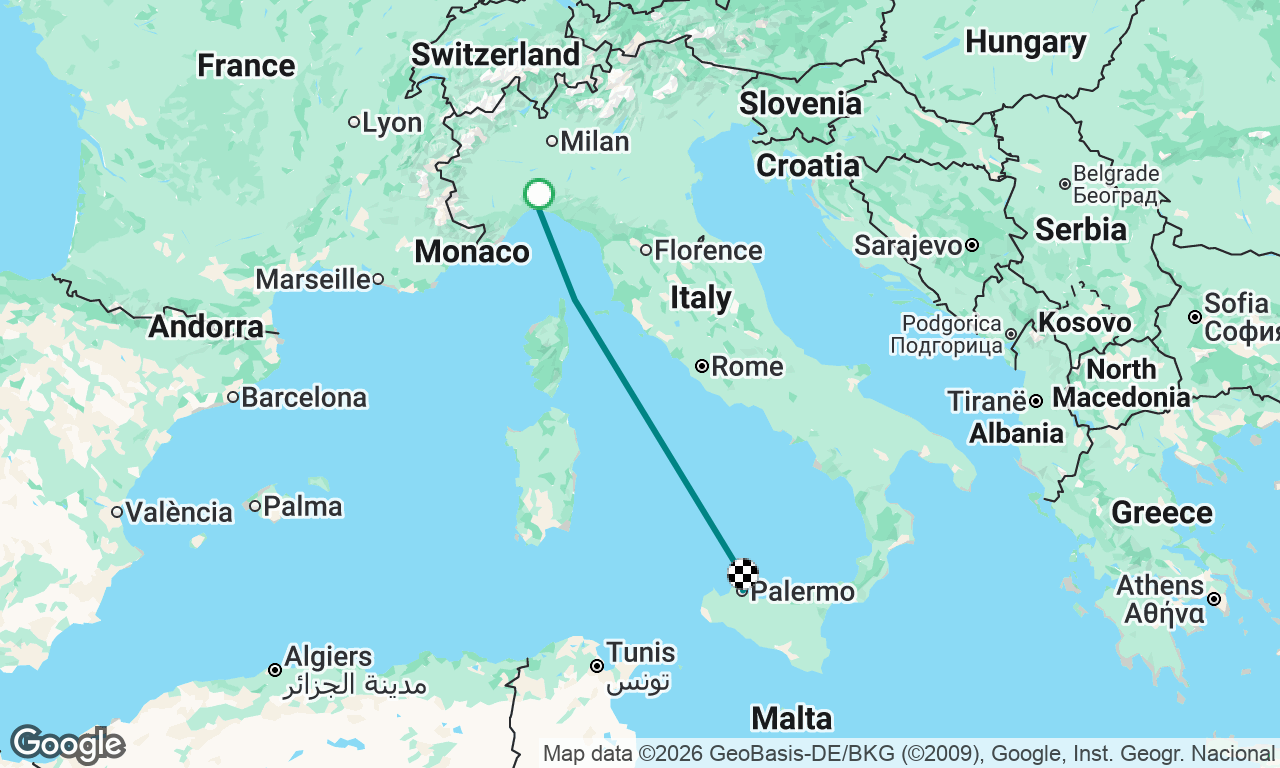
ARC Atlantic Crossing – Canary Islands to Saint Lucia
Spain & St. Lucia · Europe
Next: 22 November - 13 December 2026
2 dates in 2026 & 2027
£7,495


Ocean passages by the berth
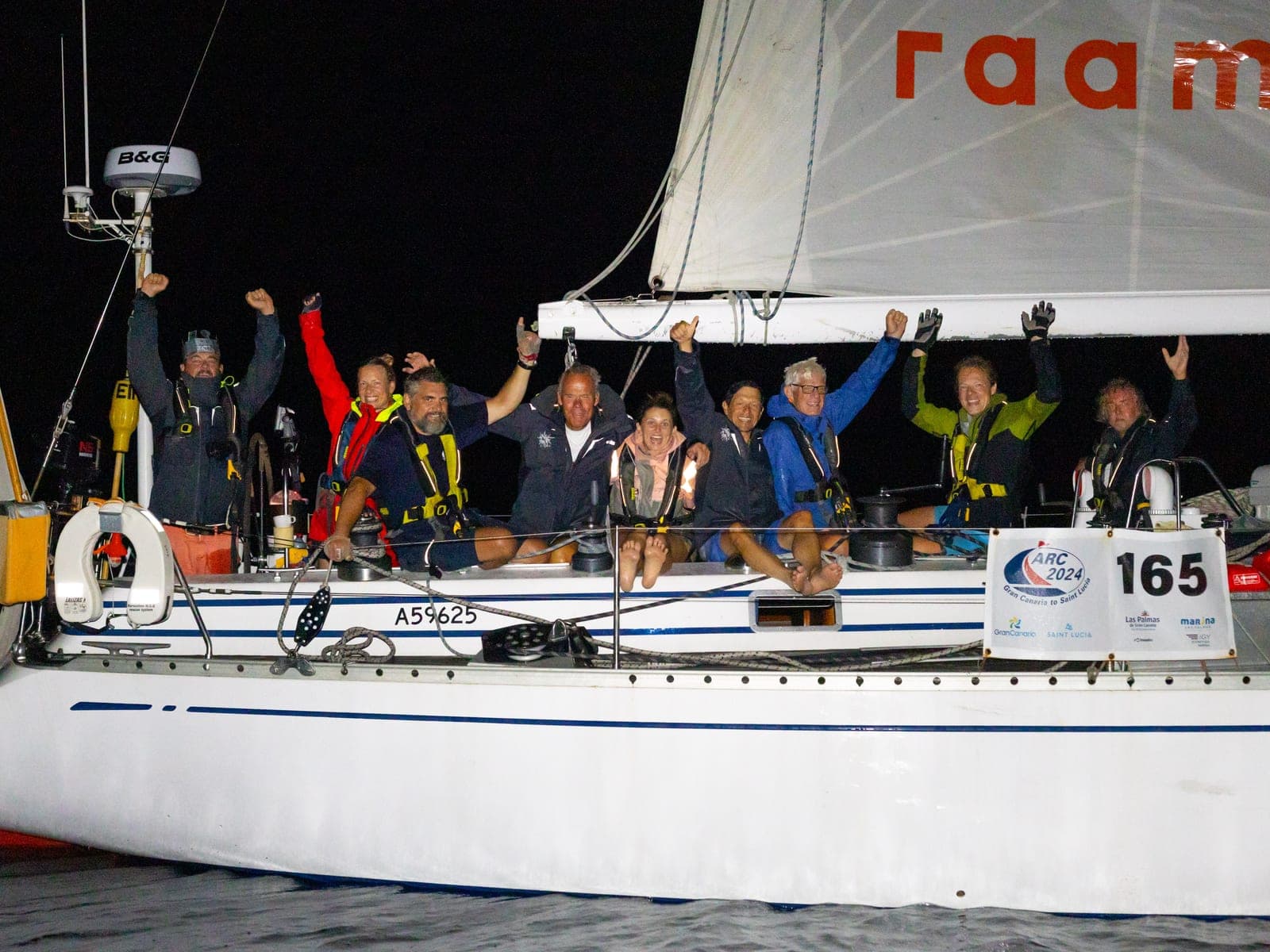
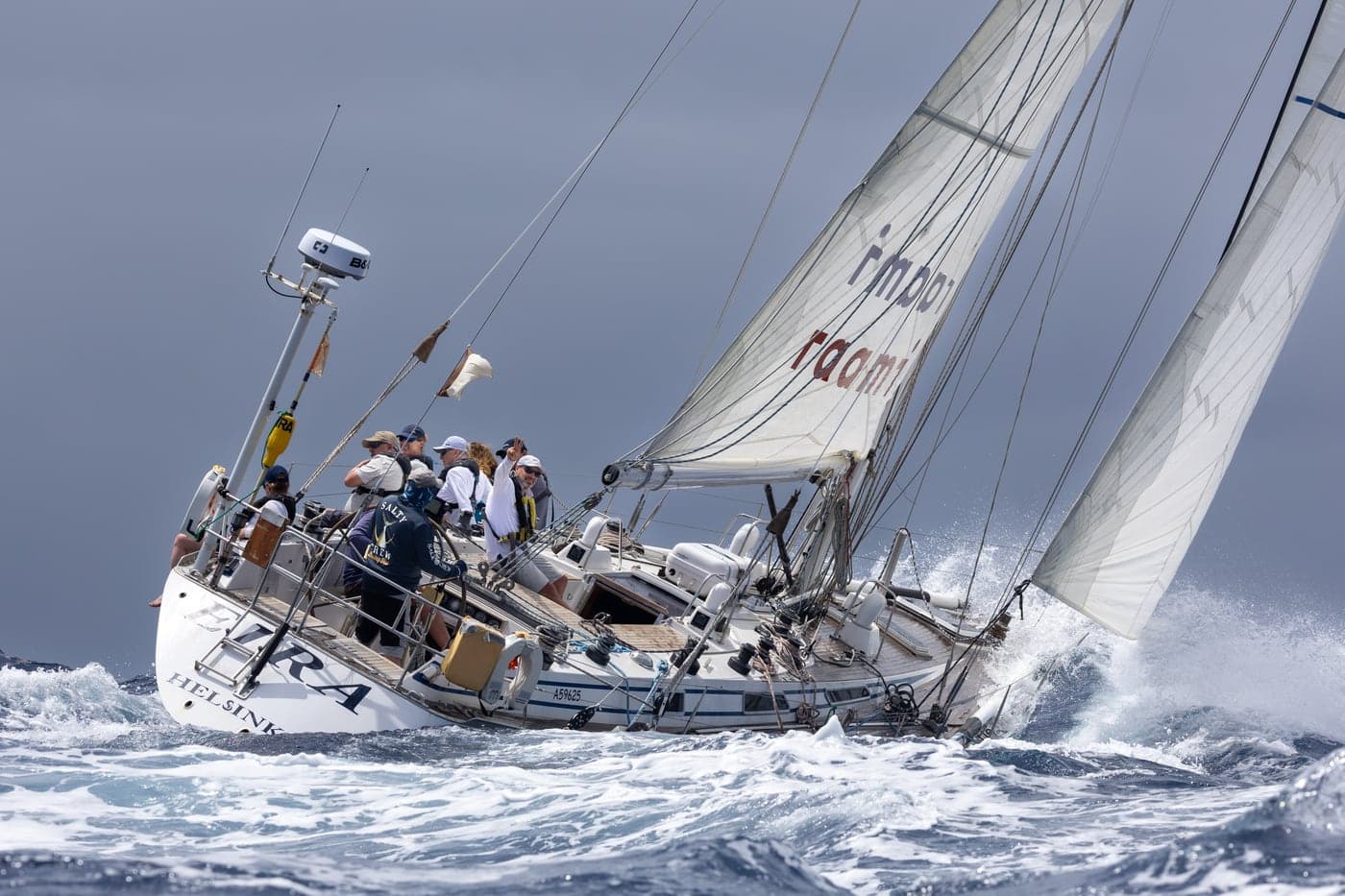
Book a berth on a yacht and sail across the Atlantic with a skipper and crew. West to the Caribbean on the trade winds, home to Europe via the Azores, or a single ocean leg to start. Thousands of miles of open ocean, and every one of them in your logbook.
Crossings run west from November to January and east from April to June.
Logged in the SailTies app
As seen in










16 crossings and ocean legs listed, from £920 per berth.
Spain & St. Lucia · Europe
Next: 22 November - 13 December 2026
2 dates in 2026 & 2027
£7,495
Spain & St. Lucia · Europe
Next: 29 November - 18 December 2026
1 date in November
£6,110
Spain & Antigua & Barbuda · Europe
Next: 7 - 20 January 2027
1 date in 2027
€7,100
South Africa & St. Helena · Indian Ocean
Next: 1 - 25 March 2027
4 dates in 2027
£5,995
St. Helena & South Africa · Indian Ocean
Next: 27 March - 16 April 2027
4 dates in 2027
£5,995
Antigua & Barbuda & United Kingdom · Caribbean
Next: 10 April - 15 May 2027
1 date in 2027
£7,495
South Africa & St. Helena · Indian Ocean
Next: 15 - 24 April 2027
1 date in 2027
€3,800
Leave your name and email to get Mike's monthly email. It's where we announce new trips, so you'll hear when Atlantic crossings list.
Prefer to talk it through?
Atlantic crossings run in both directions, at different times of year. Choose by when you can go and how long you can be away.
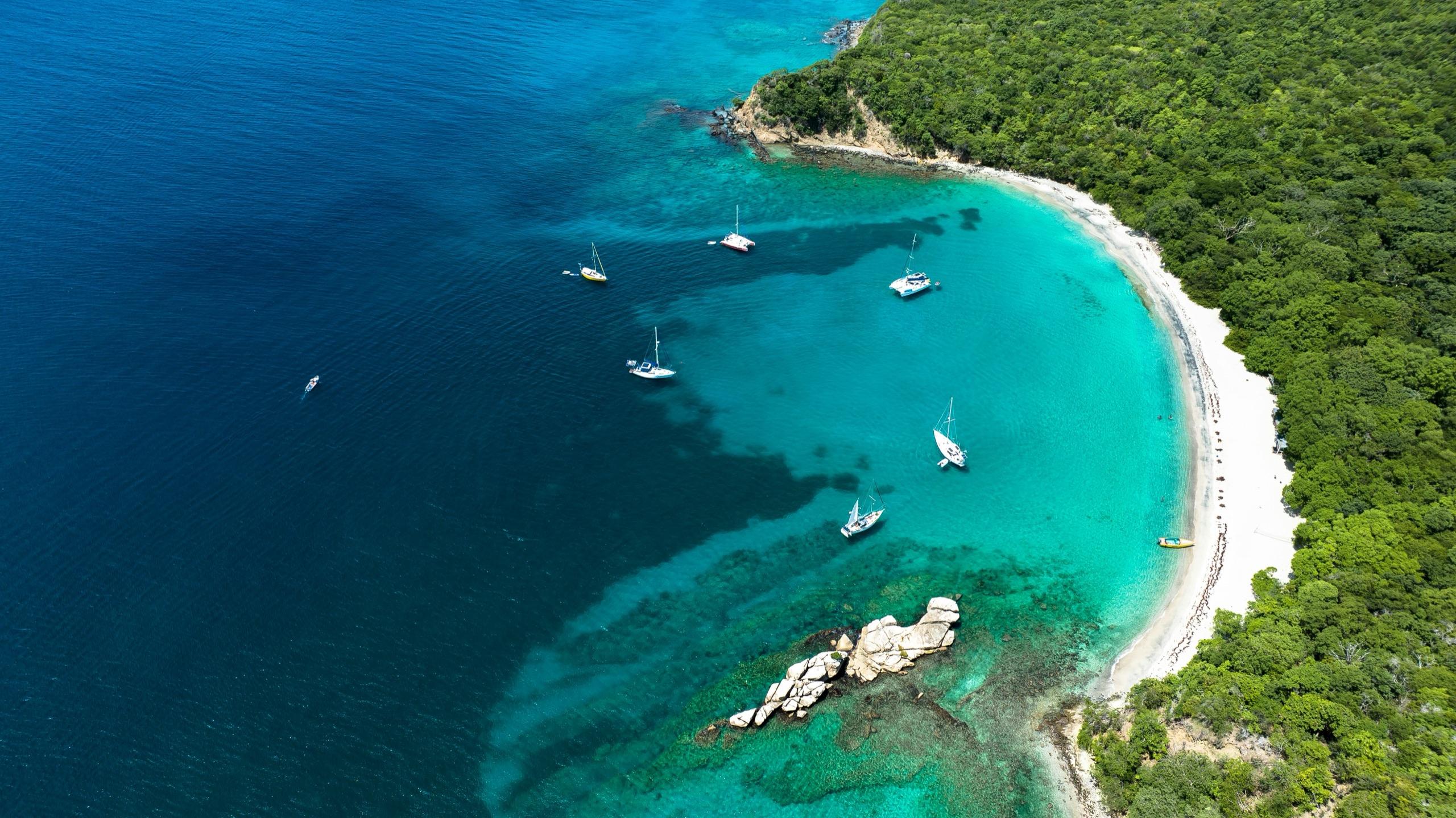
The classic crossing, from the Canaries to the Caribbean on the north-east trade winds. Many boats sail as part of the ARC rally, which leaves Gran Canaria each November with daily radio check-ins and safety checks before the start. Steady following winds make it the most forgiving way to cross an ocean.
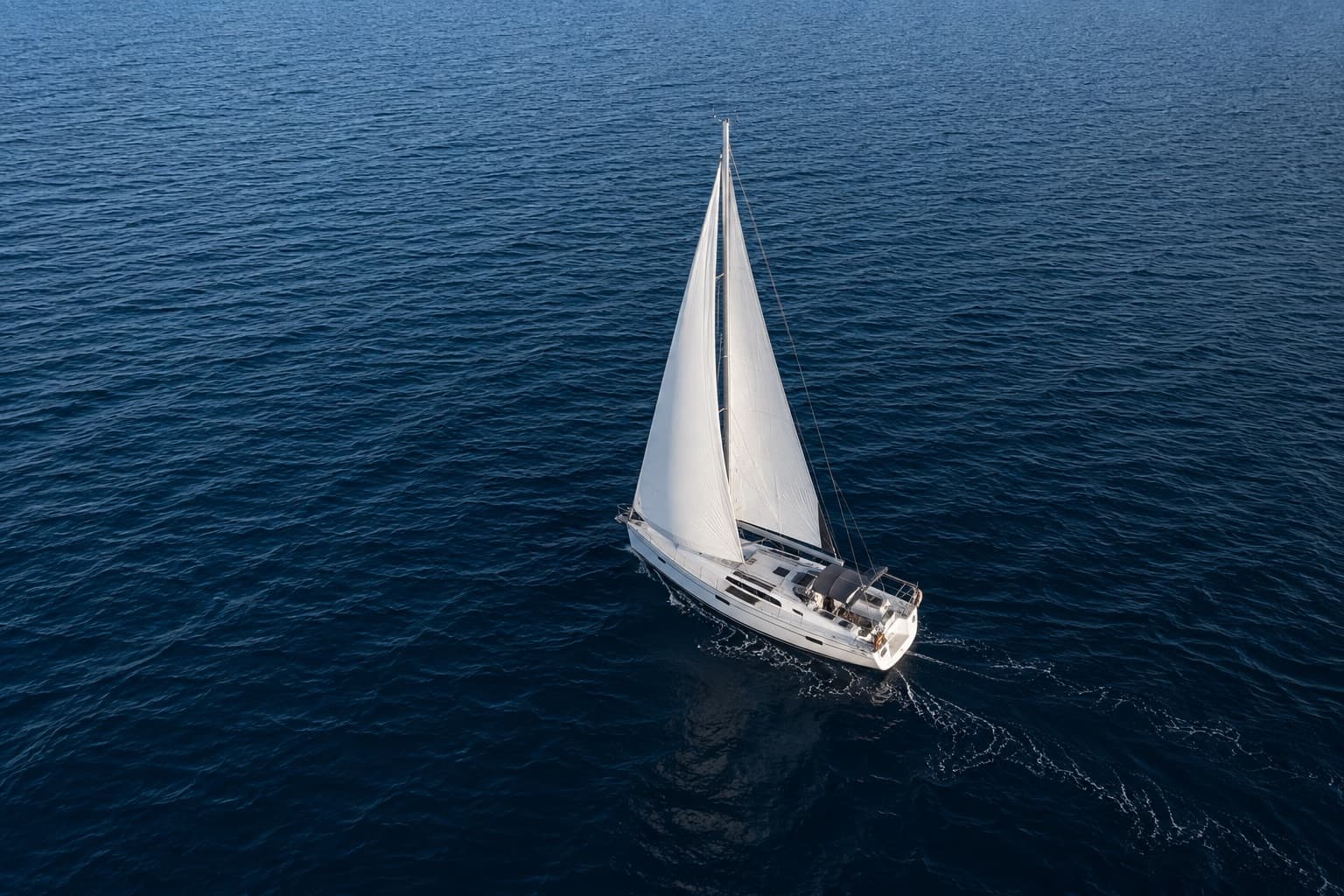
The return from the Caribbean, sailing north to find the westerlies and stopping in the Azores. The weather is less settled than on the way west, so expect more active sailing. Some boats sail with ARC Europe, the spring rally home.

Crew a race boat across the Atlantic, with a full racing watch system and a finish line in the Caribbean. The fastest way over, and the most demanding.

One leg of a crossing, such as the Azores to mainland Europe, or the passage south from the UK to the Canaries. A shorter commitment, a lower price, and real offshore miles. A good first step if a full crossing feels like a lot.
Atlantic routes follow the wind. On a transatlantic crossing, yachts go west in the trade winds of the tropics and come home further north, in the westerlies. Each route can be sailed whole or as a single leg.
The passage south, sailed in September and October. It leaves the English Channel, crosses the Bay of Biscay, runs down the coast of Portugal and reaches the Canaries about 1,600 nautical miles later. It is an ocean passage in its own right, and it puts the boat on the start line for November.
The trade wind route, about 2,700 nautical miles from Gran Canaria to St Lucia. Boats head south-west until they find the trades, then run west for two to three weeks. The ARC sails this route each November. The RORC Transatlantic Race sails from Lanzarote in January.
A southern route that breaks the crossing in two. The first leg is about 850 nautical miles from the Canaries to Mindelo. The second is about 2,100 miles to the Caribbean, in steadier trade winds. The ARC+ rally sails this way.
The way home, sailed from April to June. Yachts leave Antigua or Sint Maarten and sail north-east, about 2,200 nautical miles direct and nearer 2,700 by way of Bermuda. Horta, on the island of Faial, is the traditional landfall.
The last leg. It is about 950 nautical miles from Horta to Spain or Portugal, and about 1,200 to the English Channel. The weather is more changeable than in the trades, with low-pressure systems passing to the north.
Every Atlantic crossing and ocean leg with dates, by the port it leaves from. Tap a pin to see the trip.
The Atlantic has a season in each direction. The hurricane season, from June to November, sets both.
| When | The sailing | Trips |
|---|---|---|
| September and October | Yachts leave northern Europe for the Canaries, before the winter gales reach the Bay of Biscay. | Ocean legs south |
| Late November and December | The hurricane season ends on 30 November. The ARC leaves Gran Canaria, and most boats reach the Caribbean before Christmas. | Westbound crossings |
| January to March | The trade winds are at their strongest and steadiest. | Later westbound crossings and ocean races |
| April to June | Yachts leave the Caribbean ahead of the next hurricane season, bound for Bermuda, the Azores and home. | Eastbound crossings and the legs to Europe |
| July and August | The hurricane season is under way in the tropics, and few yachts cross. | None. Boats are sailing in Europe |
September and October
Late November and December
January to March
April to June
July and August

Every trip shows its dates, route, price, experience level, and what's included.
You book a place on the boat, not the whole yacht, and pay securely through SailTies.
The operator sends joining instructions and a kit list. Most crews join a few days before departure to prepare the boat together. You book your own flights, out to the start and home from the finish.
Record the passage in the free SailTies app, and every mile goes into your logbook.
The practical bit
Price depends on the route, the length of the trip, and the boat. A single leg costs less than a full crossing.
Prices on SailTies now
£920 - £7,495
Per person, across the trips listed above
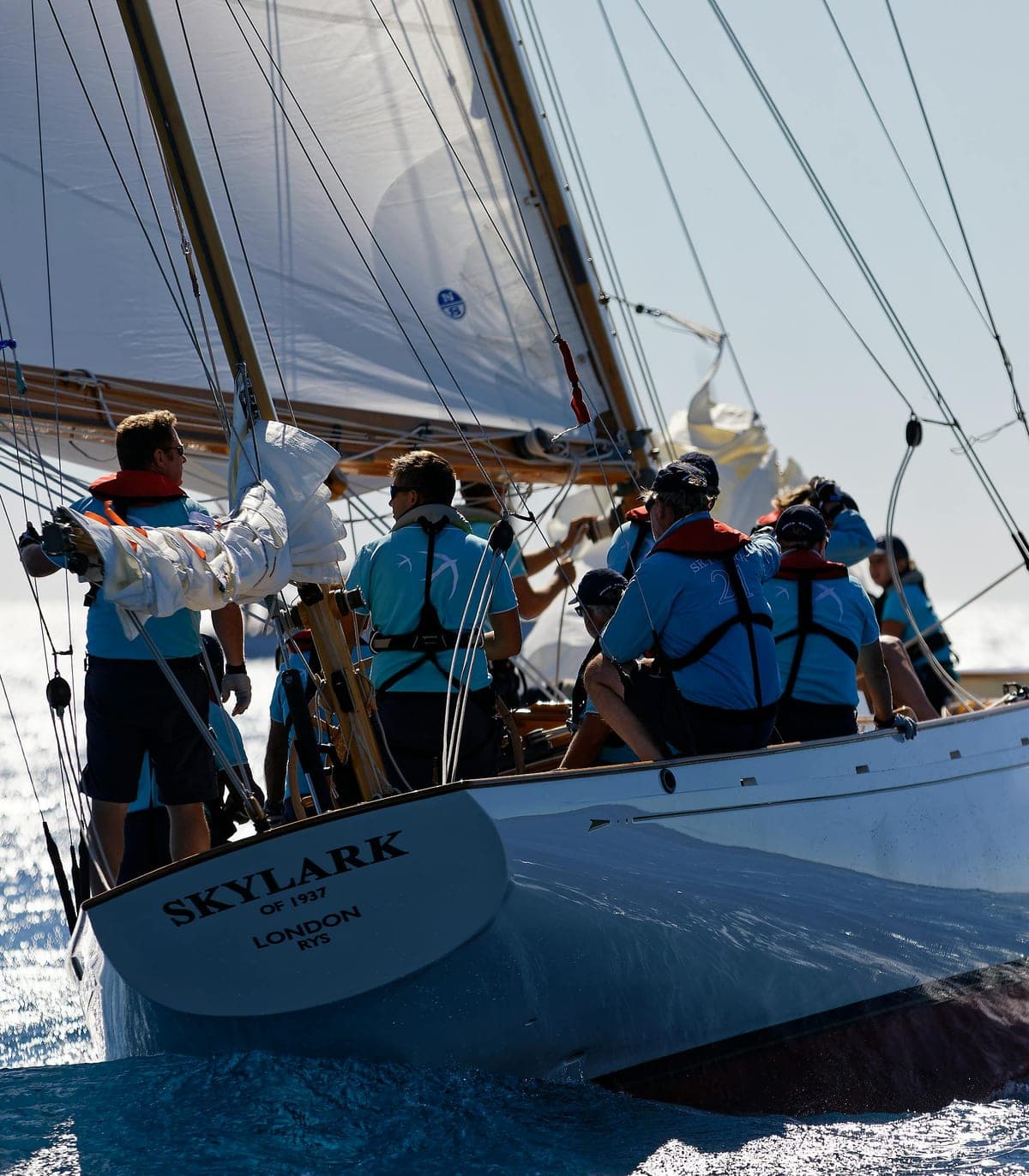
Your berth, the skipper and professional crew, food on board, and safety equipment.
Wet weather gear, bedding and towels, and rally entry fees.
Flights out and home, transfers, meals ashore, alcohol, and travel insurance.
Each trip lists exactly what is and isn't included.
Book with confidence with SailTies
We will help you pick the right trip and be there if anything unexpected happens.
We only list operators we know personally or have been recommended by past customers. All trips are checked before they go live.
Cancellation and refund terms shown on every trip page before you pay a deposit.
Our team sail, and they'll tell you honestly what a trip is like and whether it's right for you.
Reviews can only be left by sailors who were on the boat.


Trusted by 50,000 sailors
Kirsty Sutherland
August 2026
“Perfect introduction to non-stop ocean sailing, and night watches. We were blessed with plenty of solar/celestial activity, but most of all a professional and friendly crew who were generous with their time and expertise, and very lovely and thoughtful on top.”
Jay Baum
July 2026
“I'm a resonably experienced club sailor with some racing experience on smaller keelboats. When I realized I would be visiting the south coast during the Round the Island Race, I went looking for a chance to join a crew. I didn't want to over-sell my experience, and finding a new class of boat (for me) and an organizer like Tim (who was looking to make the event a training day in which we would all have a chance to learn and practice our skills) was the perfect fit. With an experienced skipper and a crew with diverse sailing sailing backgrounds, we worked well together and helped each other in our various roles. Tim focused on communication and timing, making sure we knew what to do, and what to do next. Finishing in in the top half of our class was a proud moment considering we all met for the first time at 5am on race day.”
Andrew Buchan
July 2026
“Quite simply, it was a fantastic day. Tim was brilliant, as was everyone else on board. It was great to rotate responsibilities throughout the day, giving everyone the chance to experience all aspects of sailing. It was a fantastic way to pick up new sailing tips, build confidence, and have a great deal of fun along the way. I would highly recommend these sails!”
Dan Fullerton
July 2026
“The day was absolutely brilliant, Tim who organised the event did an exceptional job, Richard the Skipper was a local so knew the Solent like the back of his hand so the boat sailed well at all times, Niomi who ran the bow definitely knew her stuff and when there was a problem sorted promptly so we could still sail competitively. To say none of us as crew had meet before hand everyone got on and did there rolls and helped others out if people where struggling a bit. By the end of the day everyone could do everything and do it well. I would definitely recommend Seatrails as a company. Hopefully I will sail with them again.”
Taken by the people who were there, attached to the reviews they left.
Gift vouchers
A SailTies gift voucher works on any trip we list, from a single ocean leg to a full Atlantic crossing. Choose the amount, add a message, and send it now or on the day.
For the sailor who keeps talking about crossing an ocean.
Another way aboard
Some yacht owners take crew in exchange for help on board and a share of costs, rather than a fee. Crew Match connects skippers with sailors looking for a place on an Atlantic crossing.
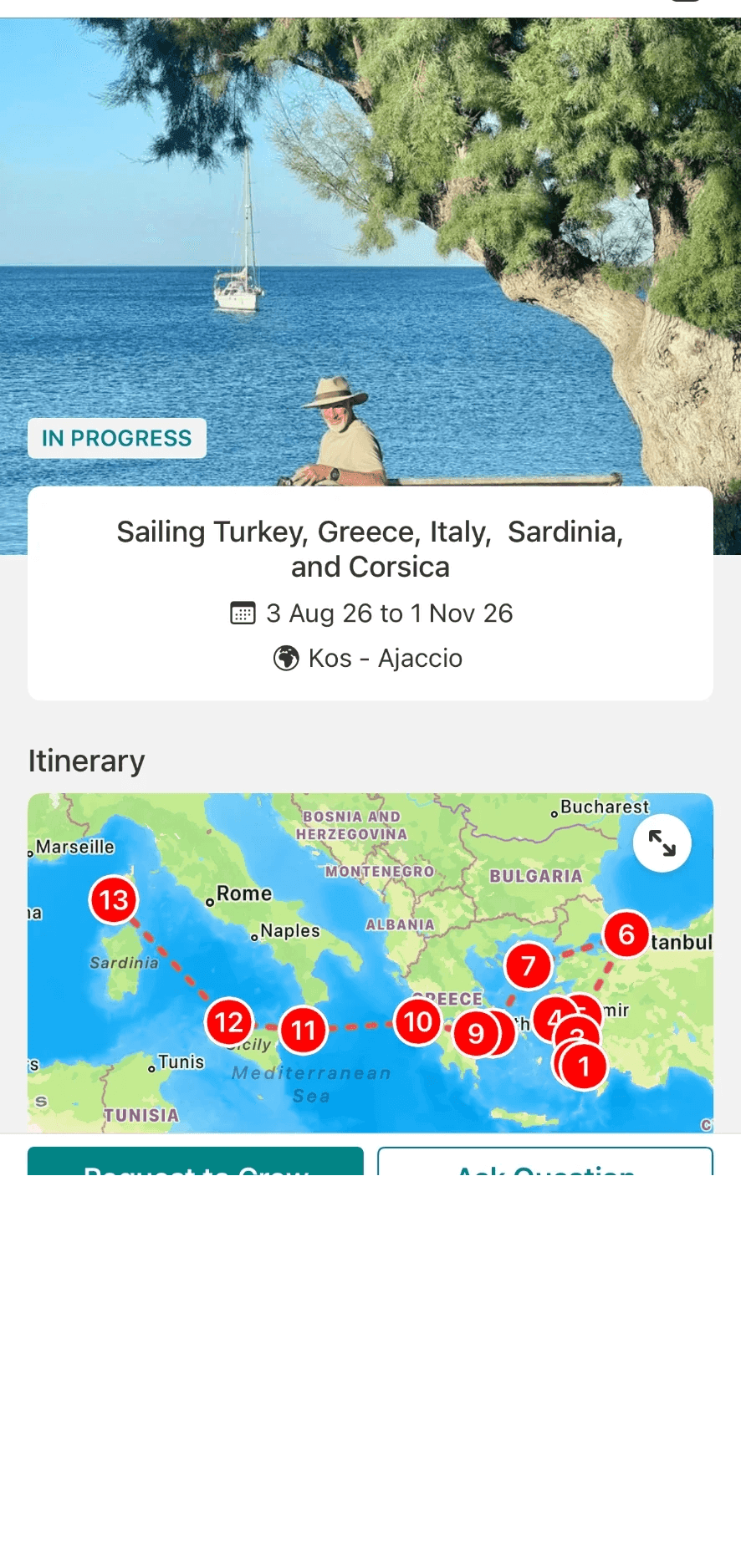
The free SailTies app
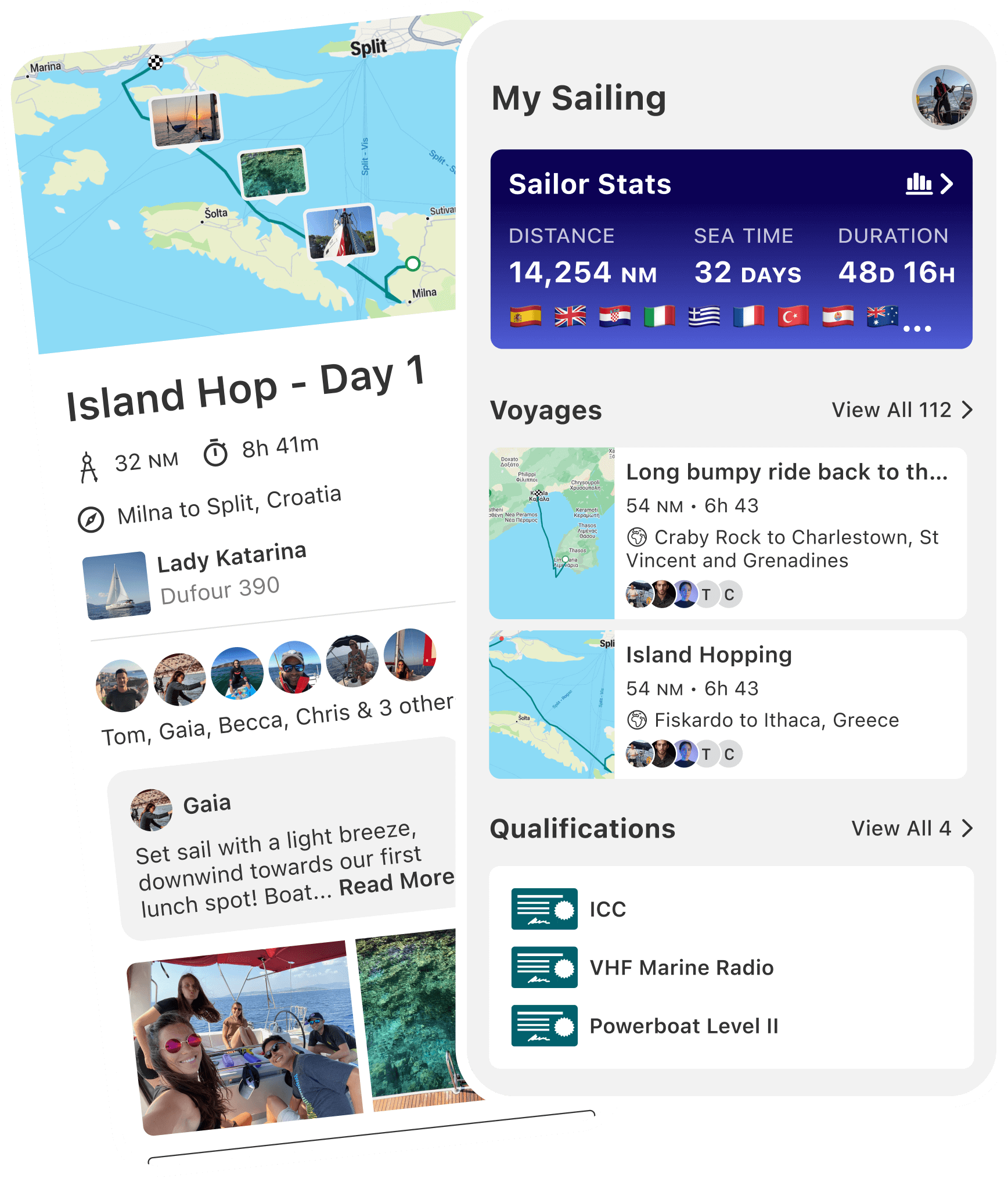
An Atlantic crossing is the passage most sailors remember for the rest of their lives. The free SailTies app records it as you sail: your track across the ocean, your crew, your photos, and the log you write each day. When you're home, it's all in one place, ready to share or look back on. Start with the sailing you do now. Every passage you log builds your sailing history, so your crossing joins the rest of it when the time comes.
The SailTies community
SailTies is the leading digital logbook and sailor network. These are stories from the sailors who use it.
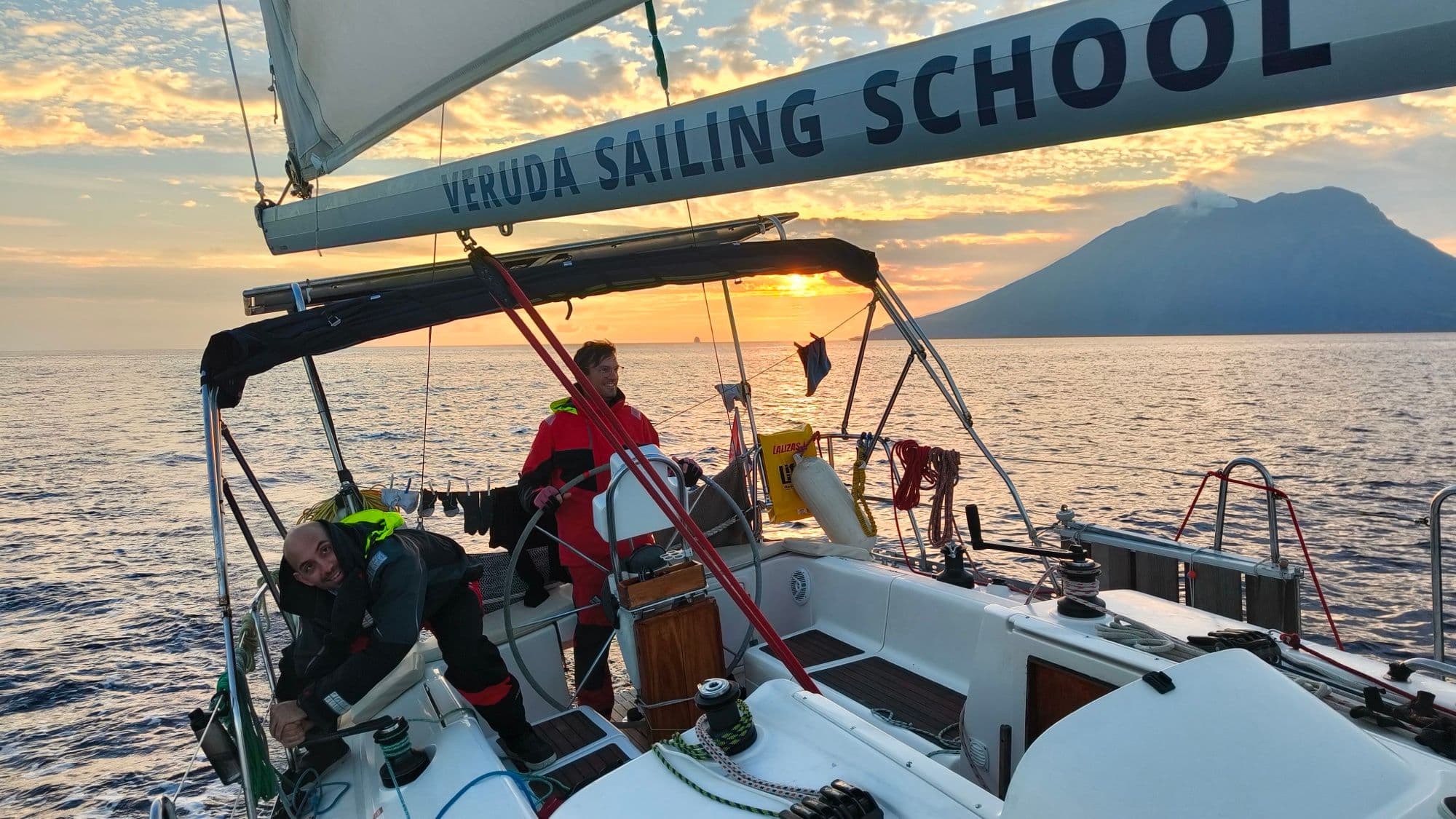
A cracked shroud 250 miles from the Rolex Middle Sea Race finish, three volcanoes in one campaign, and why Robert Šarić of Veruda Sailing School trains his crews on the Adriatic.
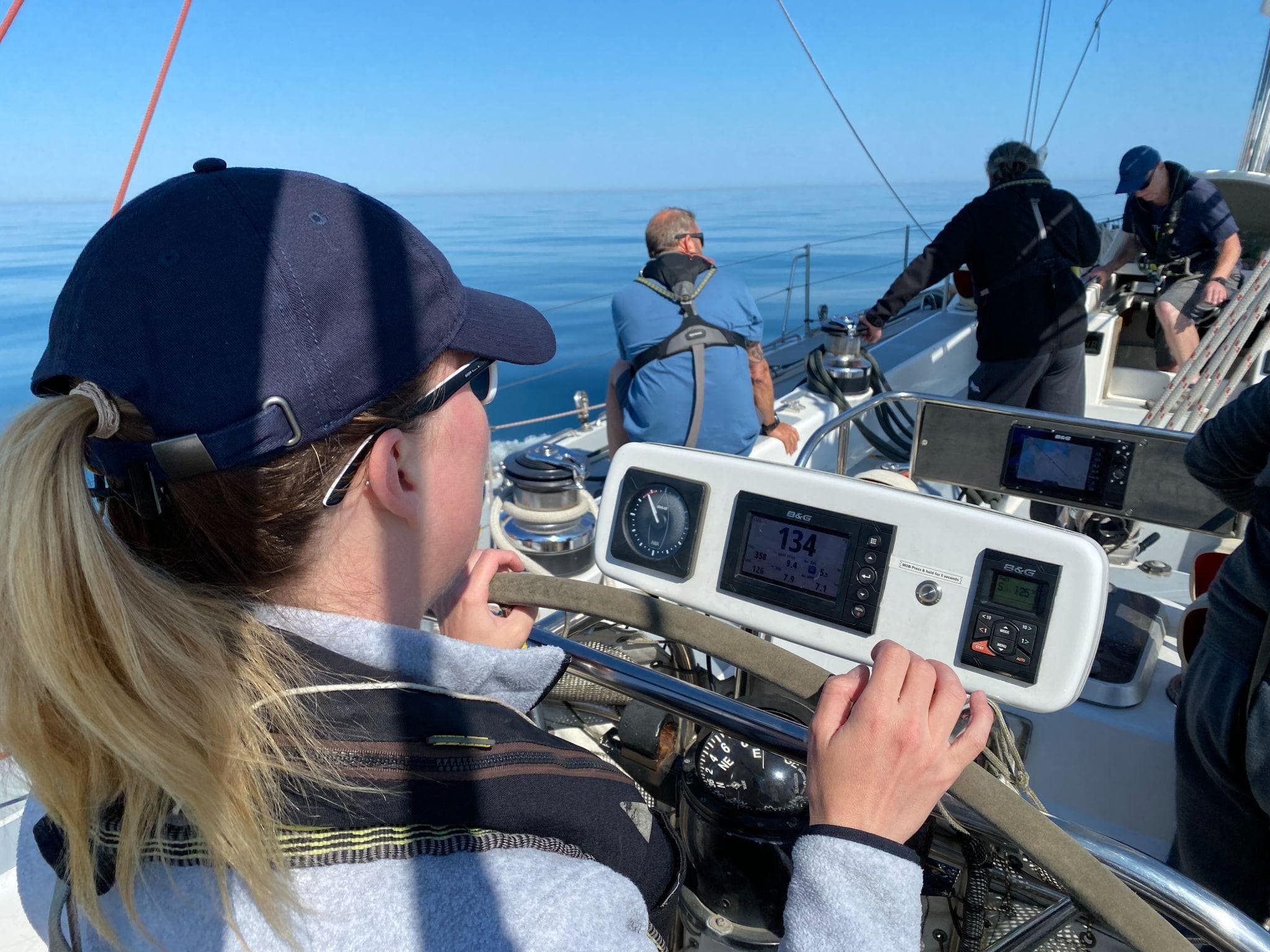
A Tall Ships bursary put Elouise Pemberton to sea at 19. Twenty years on she is working through all thirteen Challenge yachts, logging every mile on SailTies.
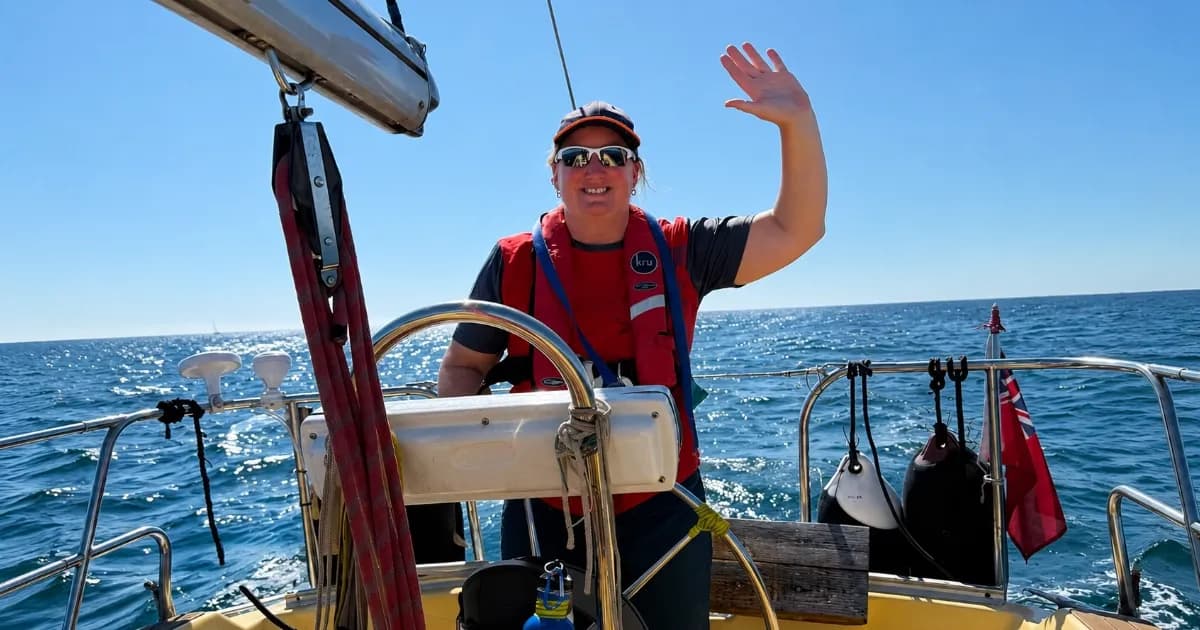
Jenny Whelan sailed 46 legs and 1,800 nautical miles around Britain with her partner Pete, their dog Svea, and an AI chatbot, logging every leg on SailTies.
Yes. The crossings above have confirmed dates and can be booked now. Confirm current availability on the trip page.
On SailTies, berths start from £920 per person. Full crossings cost more than single legs, and flights are extra.
Two to three weeks westbound from the Canaries to the Caribbean. Eastbound, the Caribbean to the Azores usually takes two to three weeks, with around another week or more to reach mainland Europe or the UK.
Westbound, late November to January. Hurricane season officially ends on 30 November, so boats leaving the Canaries then arrive after it's over. Eastbound, April to June, before the next hurricane season builds.
It's demanding but achievable. Some crossings take sailors with little or no experience, while others ask for offshore miles. Each trip shows the level it needs. If you're new to offshore sailing, a single ocean leg is a good place to start.
Most crossings start in the Canaries or the Caribbean, so you fly out to join the boat. Some eastbound crossings finish in the UK, and the passage south from the UK to the Canaries is sold as a leg of its own.
A crew place on a private yacht, where you share costs rather than pay a fee. Crew Match is the place to look. On a paid berth, a single ocean leg is the lowest-cost option.
Download the free SailTies app and record the passage as you sail. Your track, crew, photos, and daily log are saved in your logbook alongside the rest of your sailing.
The Atlantic Rally for Cruisers, run by World Cruising Club. A fleet of yachts leaves Gran Canaria each November for St Lucia. ARC Europe is the spring rally home. Each trip says whether it sails with a rally.
Yes. Ocean passages run a watch system around the clock, so everyone takes turns through the night.
Most crews fly home from where the boat finishes. Flights are booked separately, and each trip lists its start and finish ports.
No. You book a berth on a skippered yacht and get the ocean miles without owning a boat.
About 2,700 nautical miles from the Canaries to the Caribbean. Coming home, it is about 2,200 miles from the Caribbean to the Azores, then 950 to 1,200 more to mainland Europe or the UK.
Crossings are timed to avoid the hurricane season, and the trade wind route has steady following winds. The main risk is distance: for two weeks or more the boat is a long way from help. Yachts carry safety equipment, and rally boats pass safety checks before the start.
Yes, as a solo traveller. Crossings are sold by the berth, so you book one place and join the rest of the crew. Most people who join an ocean crossing come on their own.
Yes. Legs such as the Azores to mainland Europe, or the UK to the Canaries, are sold on their own. They take about one to three weeks.
Usually your berth, the skipper, and food on board. Wet weather gear, bedding and rally entry fees vary. Flights, transfers and travel insurance are extra. Each trip lists what is and isn't included.
On most crossings the crew share the cooking and washing up. On some race yachts, meals are provided. Each listing says which.
Some trips here are listed as Yachtmaster qualifying. Check the listing, and ask the operator how your miles and night hours will be recorded.
Most crossings ask for crew aged 18 or over, and few set an upper age. Operators ask about your health and fitness, because the boat is a long way from help. Each listing says, and if you're unsure, ask before you book.
A yacht. Crossings on SailTies sail on ocean-going yachts, not tall ships, and everyone aboard stands watches and helps sail the boat.


30 Trips
16 Trips

22 Trips