
I’ve been sailing since I was 2 years old. I got my first sailing license (jacht’s sailor) in 1983 when I was 12. I became a sailing instructor in 1994. I love being at sea. I took a long break, but a few years ago I started sailing again — and now I can’t stop.

%2FqualificationTypeImage.png?alt=media&token=b160743b-e889-4054-91f5-dd071390d13a)

4 October 2026 at 16:00
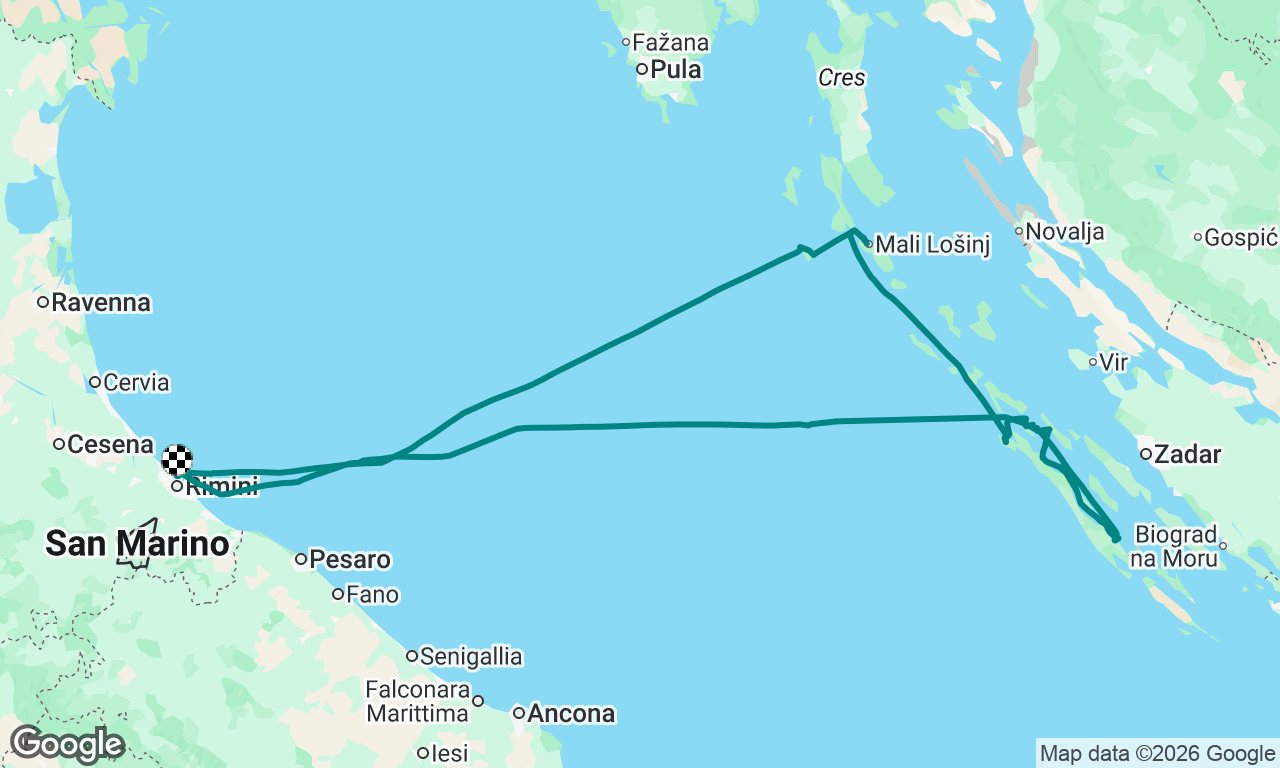
A wonderful autumn sailing adventure aboard Clan II, a 19-metre wooden yacht, exploring the beautiful islands of Croatia and crossing the Adriatic Sea. Our journey began in Marina di Rimini, Italy, with an early morning departure towards the Croatian coast. After crossing the northern Adriatic, we reached the island of Susak, where we spent our first night at anchor. The following day, we continued towards Mali Lošinj before sailing south through the picturesque Croatian archipelago to Veli Rat, on the northern tip of Dugi Otok. We then explored the beautiful channels and islands around Dugi Otok, enjoying some excellent sailing conditions and the spectacular scenery of the Dalmatian coastline. Our next destination was the sheltered bay of Uvala Triluke, where we spent two nights surrounded by the peaceful beauty of the Croatian islands. On Friday, we began our return journey to Italy, enjoying a memorable offshore passage across the Adriatic. Sailing into the evening and through the night, we finally arrived safely at Marina di Rimini at 03:43 on Saturday morning. In total, we covered 274 nautical miles over seven days, combining offshore navigation, coastal cruising, beautiful anchorages and unforgettable moments at sea. Another fantastic sailing experience, with a great crew, beautiful destinations and the unique freedom that only sailing can offer. Fair winds and following seas! ⛵
11
SanGiuliano a Mare, Italy
Rafał Wiśniewski, Francesco Polidori & 1 other
26 September 2026 at 09:32
1
Pesaro, Italy
Rafał Wiśniewski, Marcin Szmanda & 4 others
5 September 2026 at 17:00
Tygodniowy rejs w gronie przyjaciół, łączący żeglowanie, wypoczynek i praktyczne szkolenie. Z Marina Dalmacija popłynęliśmy przez Murter, Tribunj, Šibenik i Skradin, odwiedziliśmy wodospady Krki, Kornaty i Telašćicę, a następnie Zadar, skąd wróciliśmy do Sukošanu. Po drodze nie zabrakło pięknych zatok, kąpieli, zachodów słońca, nocnych wacht, wspólnego gotowania i oczywiście kilku prawdziwie żeglarskich przygód. Początek rejsu był spokojny i słoneczny, z pierwszymi próbami żeglowania i kąpielą w Uvala Taline. Następnego dnia dotarliśmy do Tribunj, gdzie awaria windy kotwicznej wymusiła małą przerwę techniczną i ręczne wybieranie łańcucha. Po naprawie ruszyliśmy dalej przez Luka Tijašćica i Šibenik do Skradina. Był czas na wycieczkę do wodospadów Krki, a także na przygotowanie na jachcie własnych chorwackich ćevapów. Dalsza część rejsu prowadziła przez Kornaty i Telašćicę, gdzie wiatr pozwolił nam już na bardziej konkretne żeglowanie. Były rosnące fale, szkwały, burza i oczywiście nieuniknione komendy typu „Refuj grota!”. Mimo coraz bardziej wymagającej pogody udało się bezpiecznie dotrzeć do Zadaru, gdzie załoga zwiedziła miasto, posłuchała morskich organów i zdobyła dzwonnicę. Na koniec była jeszcze ostatnia kąpiel w Uvala Otrić i powrót do Sukošanu. Rejs miał również charakter szkoleniowy. Załoga poznała podstawy obsługi jachtu, żeglowania i podstawowych węzłów, a także zasady korzystania z radiotelefonu VHF, podstawy nawigacji i pracy na mapie. Ważnym elementem była również praca z dziennikiem jachtowym, prowadzonym co godzinę, zgodnie z harmonogramem wacht nawigacyjnej, kambuzowej i technicznej. Dzięki temu każdy miał okazję nie tylko żeglować, ale również poznać codzienną organizację życia i pracy na jachcie. Był to więc tydzień nauki, żeglowania, zwiedzania, kąpieli i dobrej zabawy — z odpowiednią dawką wiatru, fal, słońca i żeglarskich niespodzianek.
10
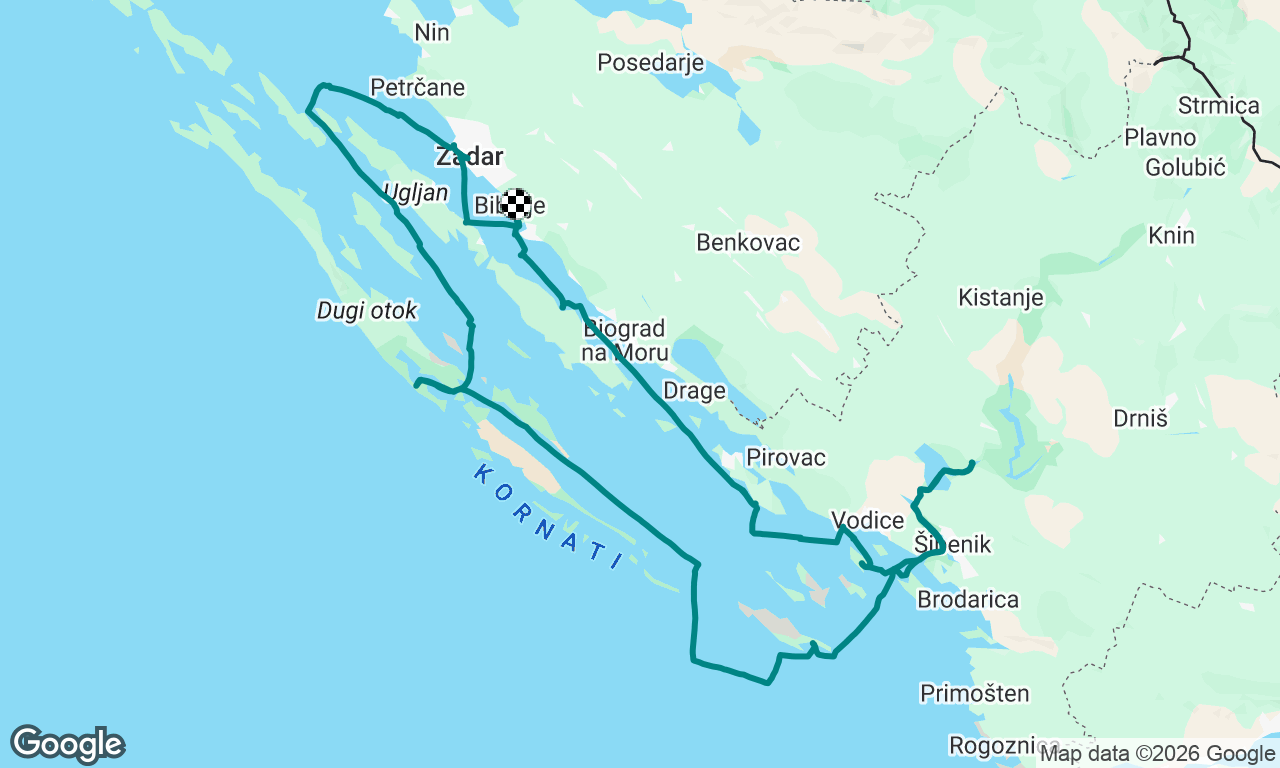
Sukošan, Croatia
Rafał Wiśniewski, Federica B & 1 other
6 August 2026 at 00:06
Dal 6 al 15 agosto, la Corona Borealis I, un Lagoon 450F, ha navigato tra le isole del Quarnero e della Dalmazia, partendo e rientrando a Marina di Portoverde. È stata una crociera volutamente lenta: poche miglia ogni giorno, quasi sempre a motore e con qualche breve, prezioso tratto a vela, dedicando la maggior parte del tempo alla ricerca di nuove baie spettacolari dove fare il bagno, giocare in acqua e godersi il mare. Tra Uvala Porat, Paržine, Silba, Škarda, Sakarun, Lošinj, Susak e numerose altre rade, la ciurma ha scoperto angoli magnifici, acque trasparenti e tramonti memorabili, affrontando anche qualche battaglia contro le immancabili vespe e qualche capriccio del vento. A bordo, oltre allo skipper, viaggiavano l’armatore, suo cognato, le due figlie e la figliastra. I due cuochi di bordo, il cognato e la figliastra maggiore, avevano una spiccata predilezione per la cucina vegetariana: i pranzi sono stati così un vero festival di verdure crude, cotte e preparate in ogni possibile maniera, con pochissima carne e un po’ di pesce. Il tutto, bisogna ammetterlo, era buonissimo e ha dato alla crociera anche un piacevole carattere gastronomico. La sera, quando possibile, la ciurma scendeva a terra per cenare nei ristoranti delle località incontrate lungo il percorso, mentre lo skipper rimaneva stoicamente a bordo a fare la guardia alla Corona Borealis I. Una settimana di mare, bagni, risate, buon cibo e pochissima voglia di guardare l’orologio: più che una navigazione, una continua ricerca della baia perfetta.
15
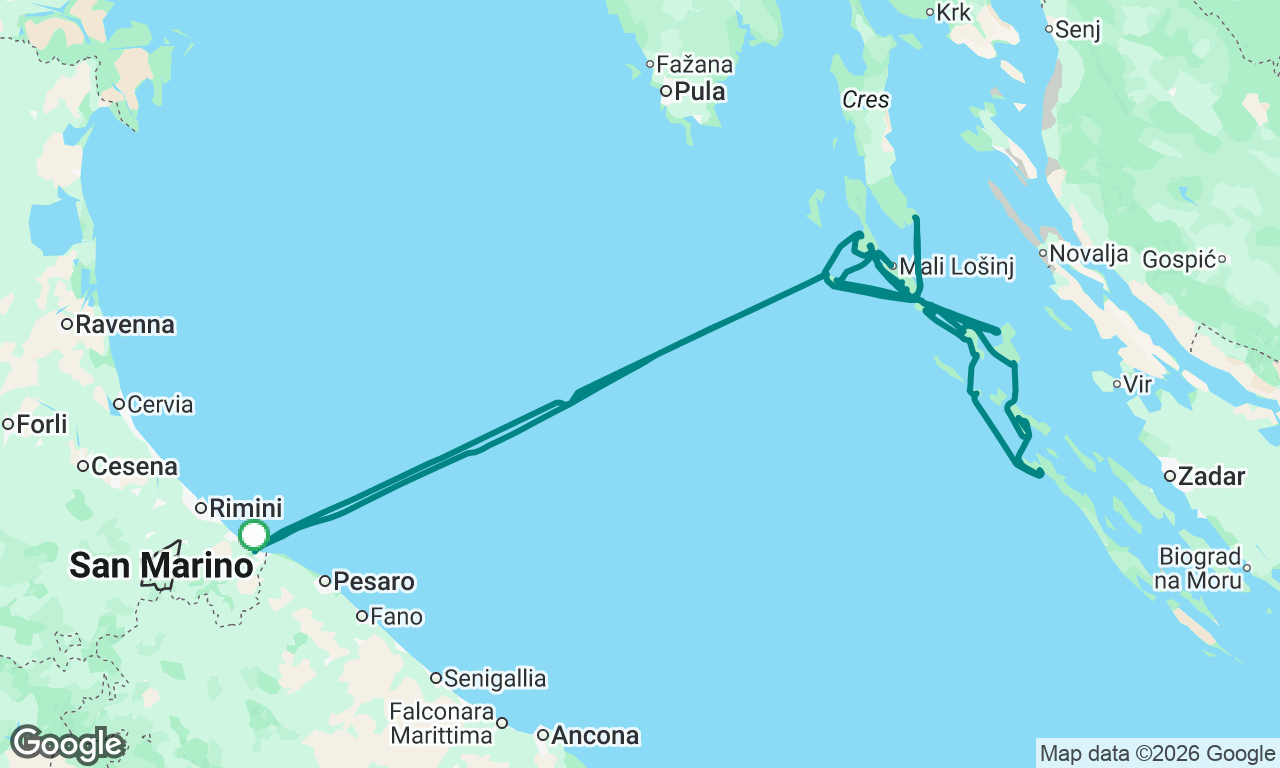
Casacce, Italy
29 July 2026 at 14:30
After completing the crew briefing in Golfo Aranci, Freya got underway for a week of coastal cruising and offshore passages through the Tyrrhenian Sea. The first days were spent exploring the magnificent northeastern coast of Sardinia, sailing among Figarolo, Tavolara, Capo Ceraso and the Gulf of Pevero. The Mistral repeatedly reminded us that at sea it is always the wind—not the skipper—that has the final word. Safe anchorages were sought in Porto Palma, Cala Villamarina, Secca Corsara, Porto Puddu and finally off Razzoli, with several changes of plan in favour of comfort and good seamanship. Whenever conditions allowed, Freya sailed under mainsail, genoa and staysail, alternating quiet passages under sail with periods under engine when the breeze faded. Crystal-clear anchorages, refreshing swims, evenings at anchor and countless conversations beneath the stars became the rhythm of life aboard. Leaving the Maddalena Archipelago astern, we shaped a northerly course across the Tyrrhenian Sea along the eastern coast of Corsica. Fair weather carried us past Scoglio d’Africa and on toward the Tuscan Archipelago, where a beautiful evening sail provided one of the highlights of the voyage. The final leg brought us safely into the Gulf of La Spezia and Porto Lotti after a passage of approximately 170 nautical miles. Once again, Freya proved that the true reward of a voyage is not simply the destination, but the wind, the sea and the shipmates with whom the course is shared. Fair winds and following seas.
11
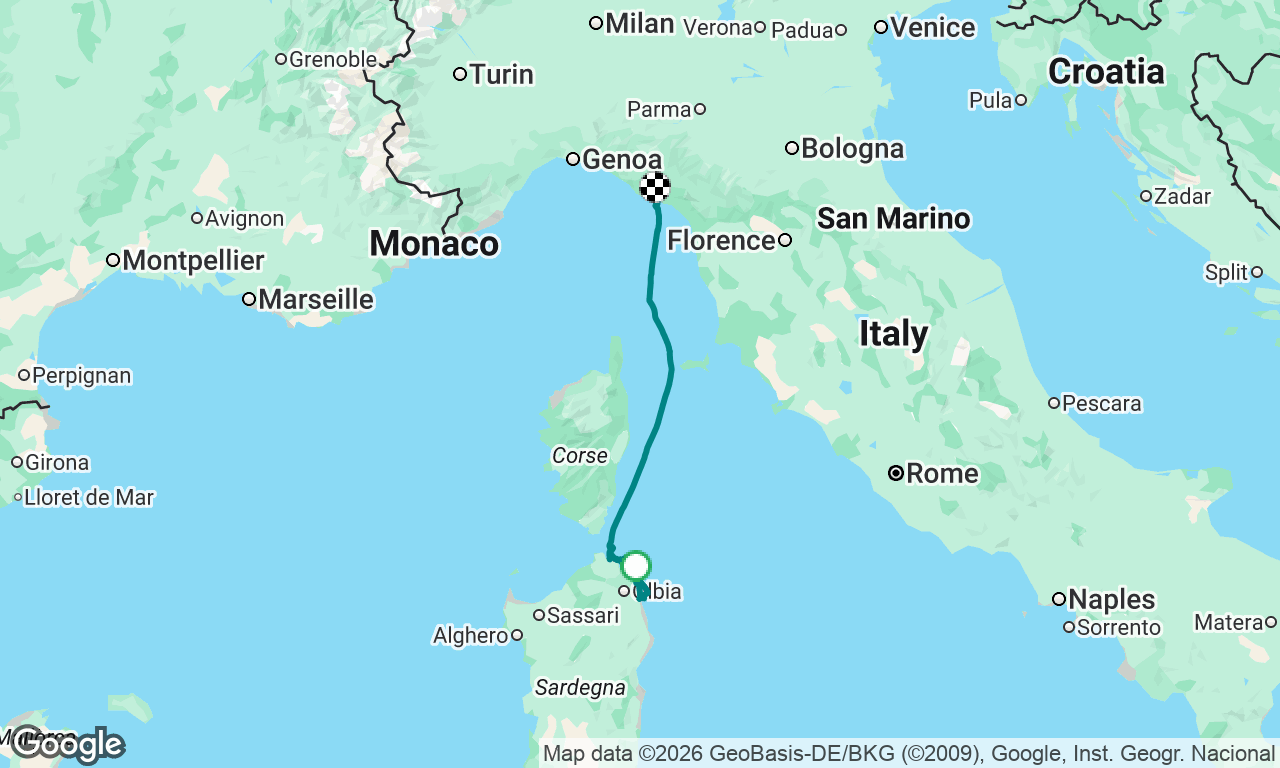
Golfo Aranci to Le Grazie, Italy
19 July 2026 at 16:30
Freya 2026 – Along Gallura and the Strait of Bonifacio Some cruises are remembered for the places visited. Others are remembered for the way they were sailed. Freya’s ten-day voyage belonged to the latter. Departing from Golfo Aranci, the crew shared a simple goal: spend as much time at anchor as possible, enjoy sailing whenever the wind allowed, and let the sea dictate the rhythm instead of the schedule. The first days unfolded gently around Tavolara, Molara, San Teodoro and the Costa Smeralda, alternating quiet anchorages with relaxed sailing under light summer breezes. As the week progressed, stronger northwesterlies transformed the character of the cruise. Longer tacks, repeated manoeuvres and beautiful reaches around Mortorio, Soffi, Capo Ferro and the Maddalena Archipelago reminded everyone why sailing boats were built to move under canvas rather than under engine. Then came the weather window everyone had been waiting for. After wisely abandoning the idea of spending the night at Cavallò, Freya sought shelter inside Santa Manza Bay on the Corsican coast. It proved to be the perfect decision. Early the following morning she followed the Corsican shoreline to Pointe de Sperone before crossing the Strait of Bonifacio with a steady 25-knot following wind. Beyond the strait the northwesterly strengthened to nearly 30 knots. Freya came alive. The long reach towards Tavolara became the highlight of the entire cruise: balanced helm, powerful but comfortable sailing and mile after mile disappearing beneath her keel. Almost on cue, the wind faded approaching Tavolara, exactly as forecast. Anchor dropped off La Cinta. Silence returned. The final days were devoted once again to swimming, quiet anchorages and slow coastal sailing before returning to Golfo Aranci. Even the last evening offered one final story: the fuel dock was occupied by a tug loading fifteen thousand litres of diesel fuel, postponing Freya’s refuelling until the following crew would arrive. One by one the crew departed for their ferries home. The boat remained quietly alongside. Ready for another voyage. Because every wake eventually disappears… …but the memories of a good passage never do. Fair winds, Freya. Until the next voyage.
10
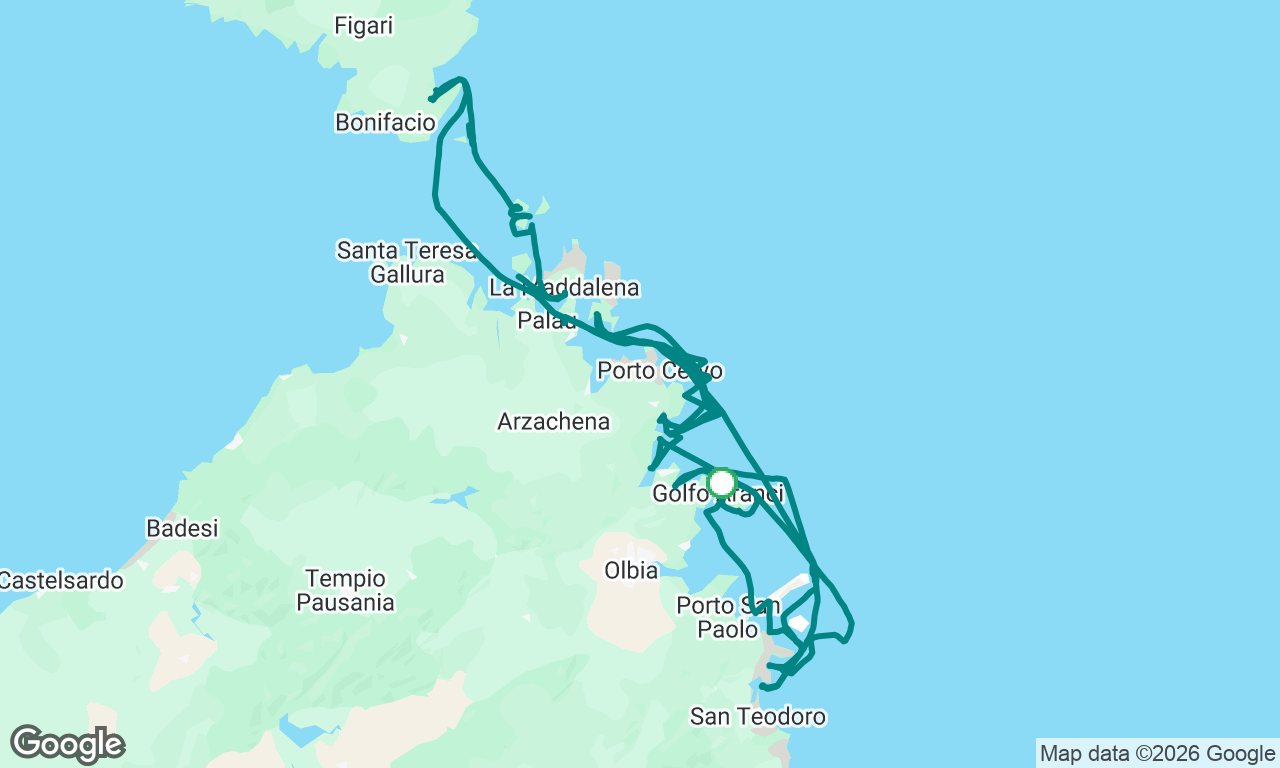
Golfo Aranci, Italy
Rafał Wiśniewski & Barbara Abate
11 July 2026 at 22:00
From the Gulf of La Spezia to northeastern Sardinia, Freya completed a relaxed coastal passage, combining long stretches under engine with enjoyable sailing whenever the wind filled the sails. After crossing to Macinaggio, she continued south along Corsica’s east coast to Solenzara, calling at beautiful anchorages for swimming and breaks before heading through the Strait of Bonifacio to Santa Teresa di Gallura. The voyage then continued among the islands of La Maddalena, Figarolo, and finally ended at Golfo Aranci. Over the course of the cruise, Freya logged approximately 190 nautical miles, mostly in slight seas and light winds, making the engine the most reliable member of the crew. Even so, several rewarding sailing legs reminded everyone why they were aboard a sailing yacht. The log reflects a peaceful and enjoyable voyage filled with safe anchorages, welcoming harbours, crystal-clear waters, memorable sunsets, and plenty of laughter on deck. It was a true cruising passage, where good seamanship, camaraderie, and the simple pleasure of being at sea mattered more than speed.
10
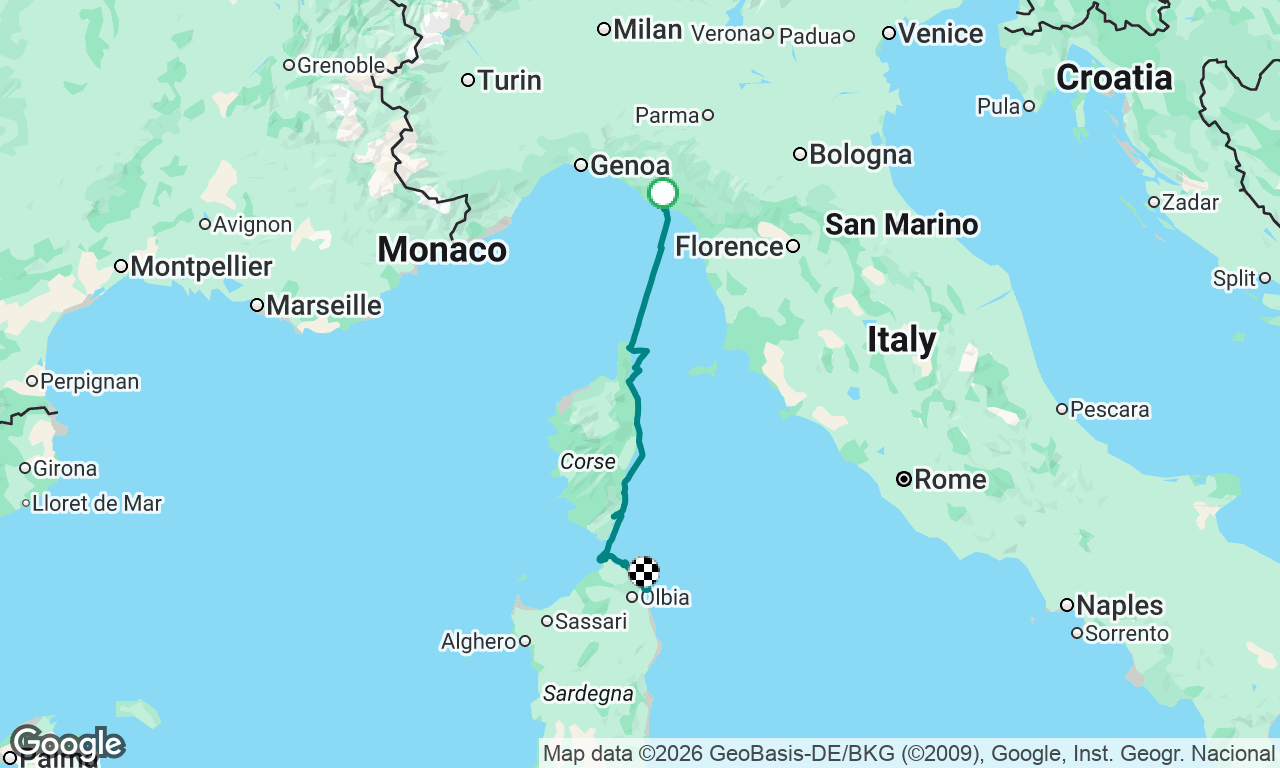
Le Grazie to Golfo Aranci, Italy
7 July 2026 at 15:30
The transfer of m/b Vinealis, from Marina di Leuca to Ancona, took place between 7 and 10 July, with the passage carried out predominantly under engine along the Adriatic coast. The first day was spent in port carrying out routine inspections and technical checks. During these operations, issues were identified with the navigation lights and the generator. On 8 July, after refuelling, Vinealis departed Marina di Leuca and headed north. The passage took place in favourable weather conditions, with a refuelling stop at Mola di Bari. An anomaly affecting the port engine oil sensor led to the prudent decision to divert to Bari, where the vessel remained overnight. The following day, the passage continued northward along the Adriatic coast, with a technical stop in Termoli for refuelling. After a further oil pressure warning was checked and found not to present any additional problems, the crew continued towards Vasto. Before entering port, the vessel anchored for a short swimming and aperitif stop, before berthing in Vasto for the night. On 10 July, Vinealis departed Vasto bound for Ancona. During the passage, wind and sea conditions gradually increased, particularly on the approach to Ancona, but the vessel and crew managed the conditions without difficulty. In the late afternoon, Vinealis safely berthed at Marina Dorica, successfully completing the transfer. Overall, the transfer was completed successfully, with generally favourable weather conditions and a small number of technical issues that were promptly investigated and managed by the crew. Refuelling stops and adjustments to the passage plan were carried out with due regard for prudent seamanship and the safety of the vessel and crew.
10
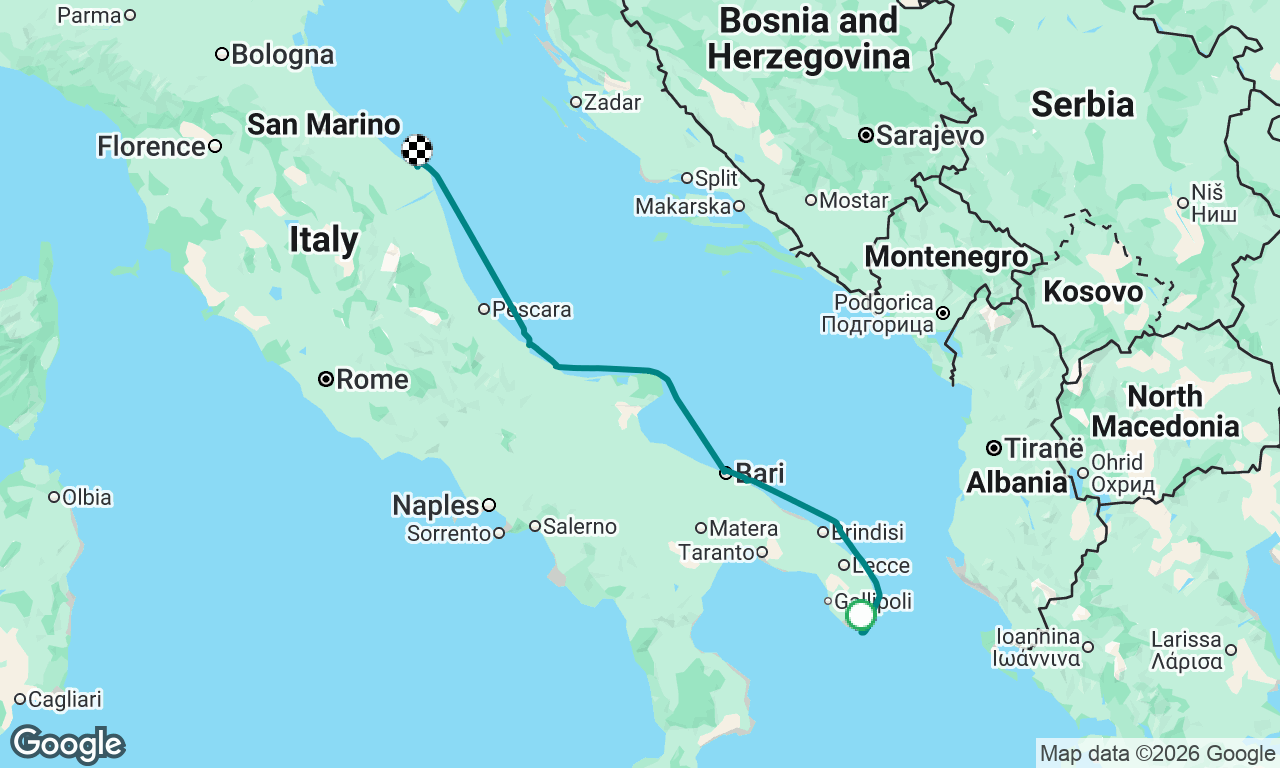
Leuca to Posatora, Italy

Rafał Sobczyk - Jak zawsze zazdroszczę.. powodzenia 👌
Add a comment...
Rafał Wiśniewski & Gerson Luciani
20 June 2026 at 11:00
The passage was conducted under predominantly stable high-pressure conditions, with calm to slight seas and mostly light and variable winds. As a result, the engine provided the primary means of propulsion for much of the voyage, while the mainsail, headsail and, on one occasion, the gennaker were set whenever wind conditions permitted. The route included the transit of the Strait of Messina, a technical stop for refuelling and provisioning at Santa Maria di Leuca, and the rounding of Cape Leuca before entering the Adriatic Sea. Weather remained generally fair throughout, with clear skies, high temperatures and excellent visibility. The only significant incident occurred during the night of 25 June, when a sudden gust caused a tear in the mainsail. The crew reacted promptly, securing the sail and preventing further damage, allowing the passage to continue safely. The voyage was completed without any major mechanical failures, covering more than 1,000 nautical miles and demonstrating effective seamanship, good crew coordination and the yacht’s reliability during an extended offshore passage.
11
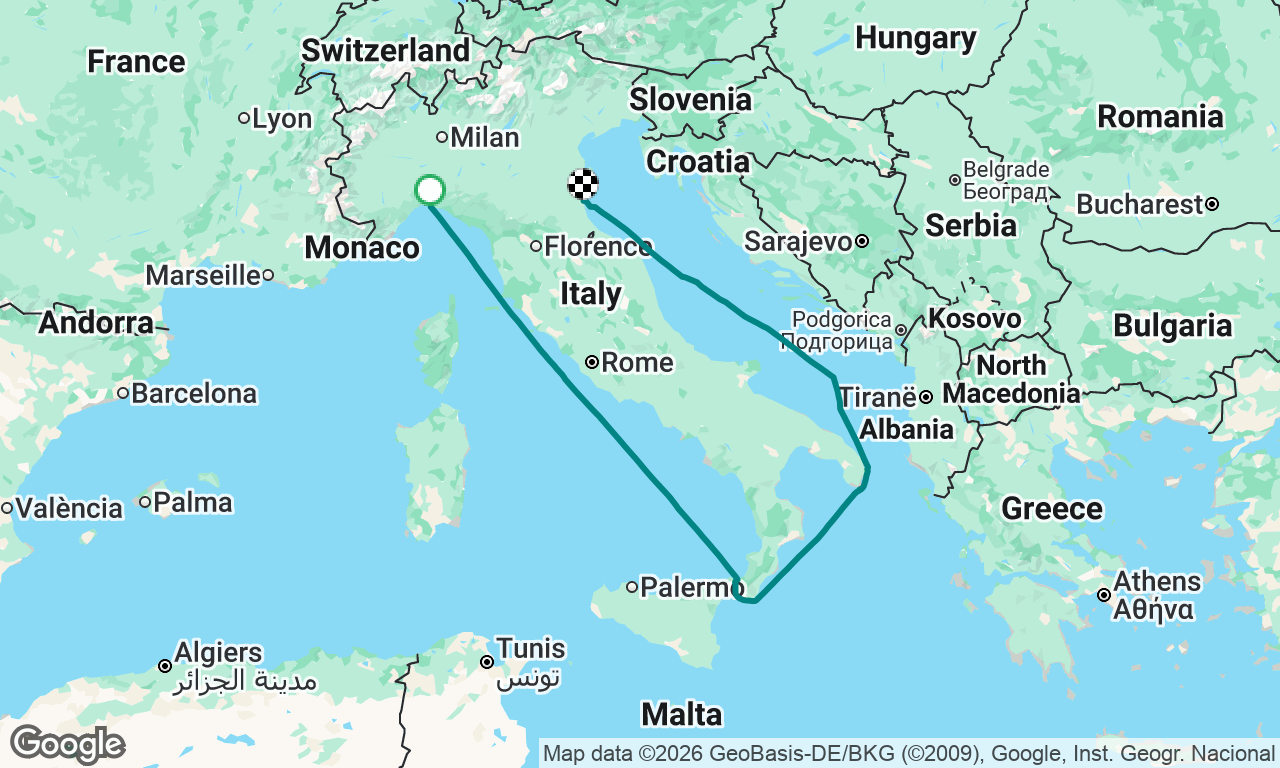
Genoa to Porto Corsini, Italy
Download SailTies to view more voyages and start recording your own.
Scan to download