9 August 2026 at 08:13
Uitwateringssluizen to Statenkwartier, The Netherlands
Maeva
Dehler 38
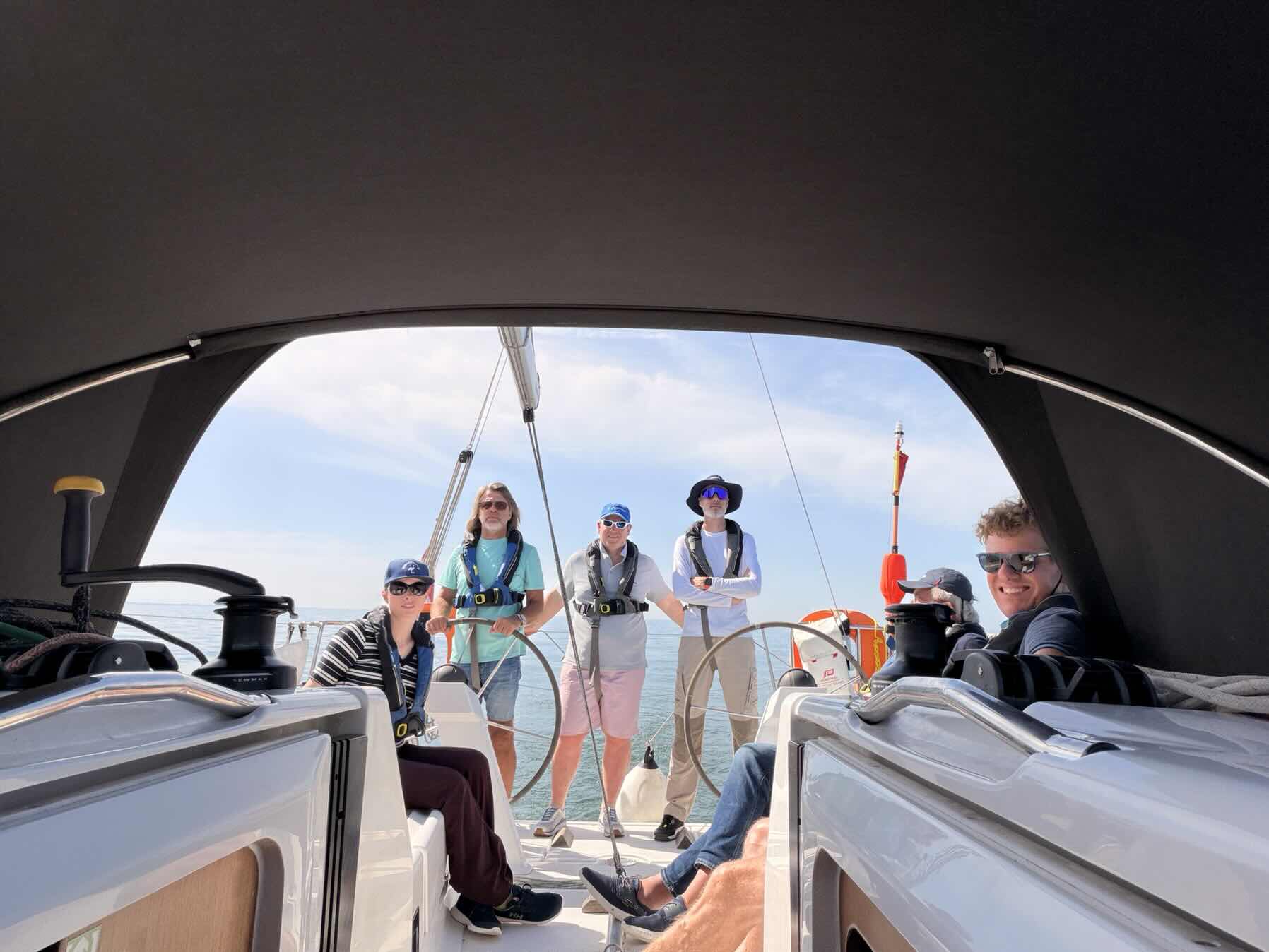
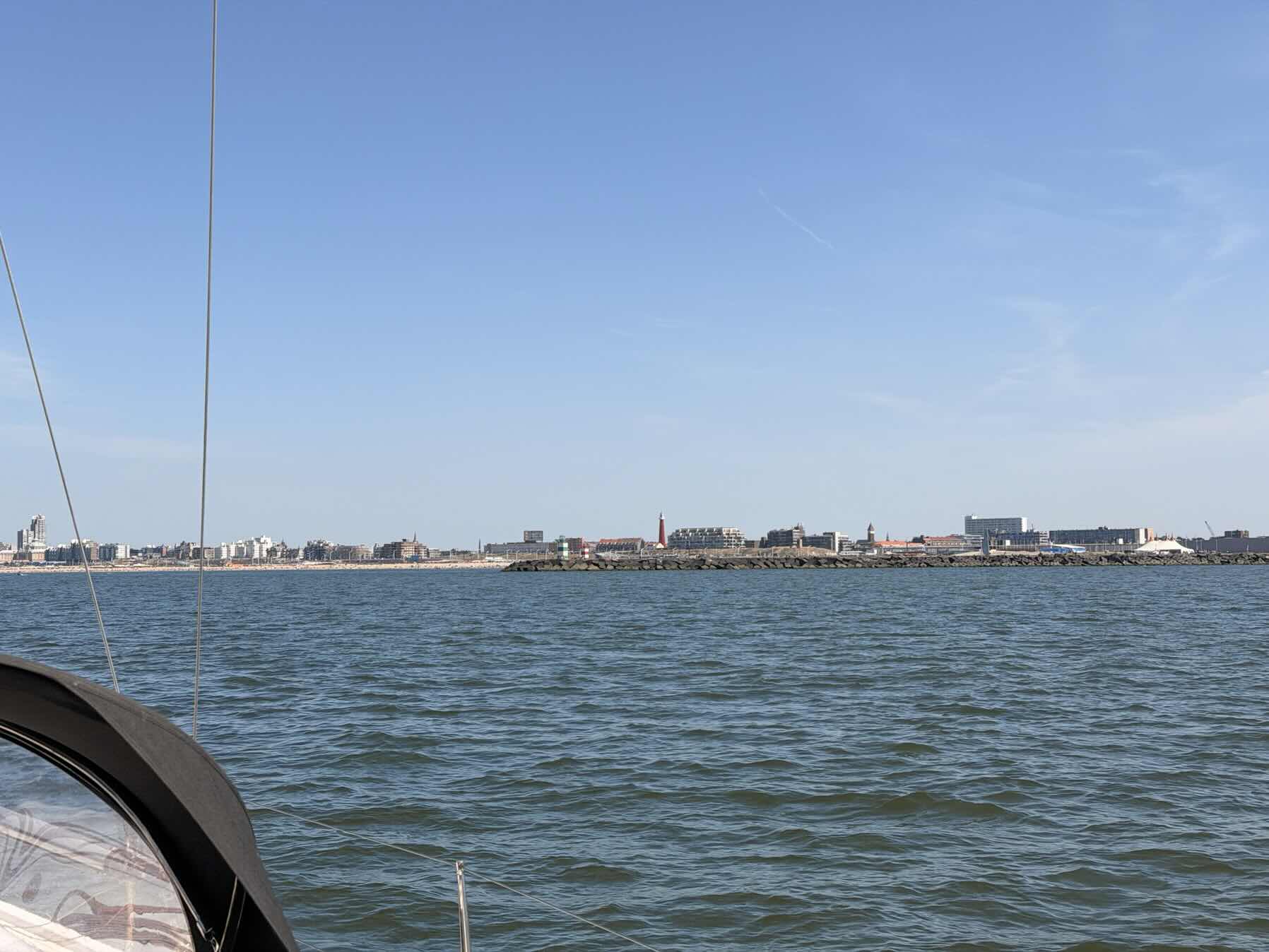
We left Marina Stellendam for the final passage back to Scheveningen. It was a warm day with relatively little wind, so although we did get some sailing in, we spent a substantial part of the passage under engine. That actually created plenty of opportunity to concentrate on navigation and seamanship. We spent a lot of time identifying the buoys and marks around us, interpreting their shapes, colours and topmarks, and relating what we saw outside to the chart and our position. With plenty of commercial traffic in the area, we also worked with AIS: identifying ships, looking at their course and speed and using the information to build a better picture of the traffic around us. We discussed VHF communications, what information is useful and when, and how all these different sources contribute to situational awareness. On the way north we crossed the Maasmond, the busy entrance to the Port of Rotterdam, for the second time during the trip. With large commercial vessels entering and leaving Rotterdam, it was a good practical environment for bringing together visual lookout, buoyage, AIS, communications and an understanding of the traffic situation. Currents were another theme of the day. We went further into why tidal currents behave as they do, how their direction and speed change through the tidal cycle, and how that translates into course and speed over the ground. After the previous day’s work on tides, it helped connect the theory to what we could actually see happening to the boat. Our instructor also passed on quite a few traditional seaman’s rules of thumb accumulated over many years at sea: estimating angles using a fist at arm’s length and relating that approximately to the old compass “streken”, using the position of the sun as a rough indication of time, thinking of short distances in cables, and several other simple techniques that pre-date the electronics we now rely on. They may not replace modern navigation, but they were a nice reminder of the practical knowledge generations of sailors used to understand what was happening around them. We eventually returned to Scheveningen, completing four very different days on the water. After the strong winds, rough sea and diversion of the first day, it was fitting to finish in warm, light conditions with more time to observe, ask questions and absorb some of the finer points of seamanship. A relaxed and enjoyable final passage and a good end to a trip that turned out to be about considerably more than simply building miles.
Download the SailTies app to leave a comment on this voyage.
Download SailTies to view crew logs, photos, and record your own voyages.
Scan to download