8 May 2026 at 15:56
Bay Shores, United States
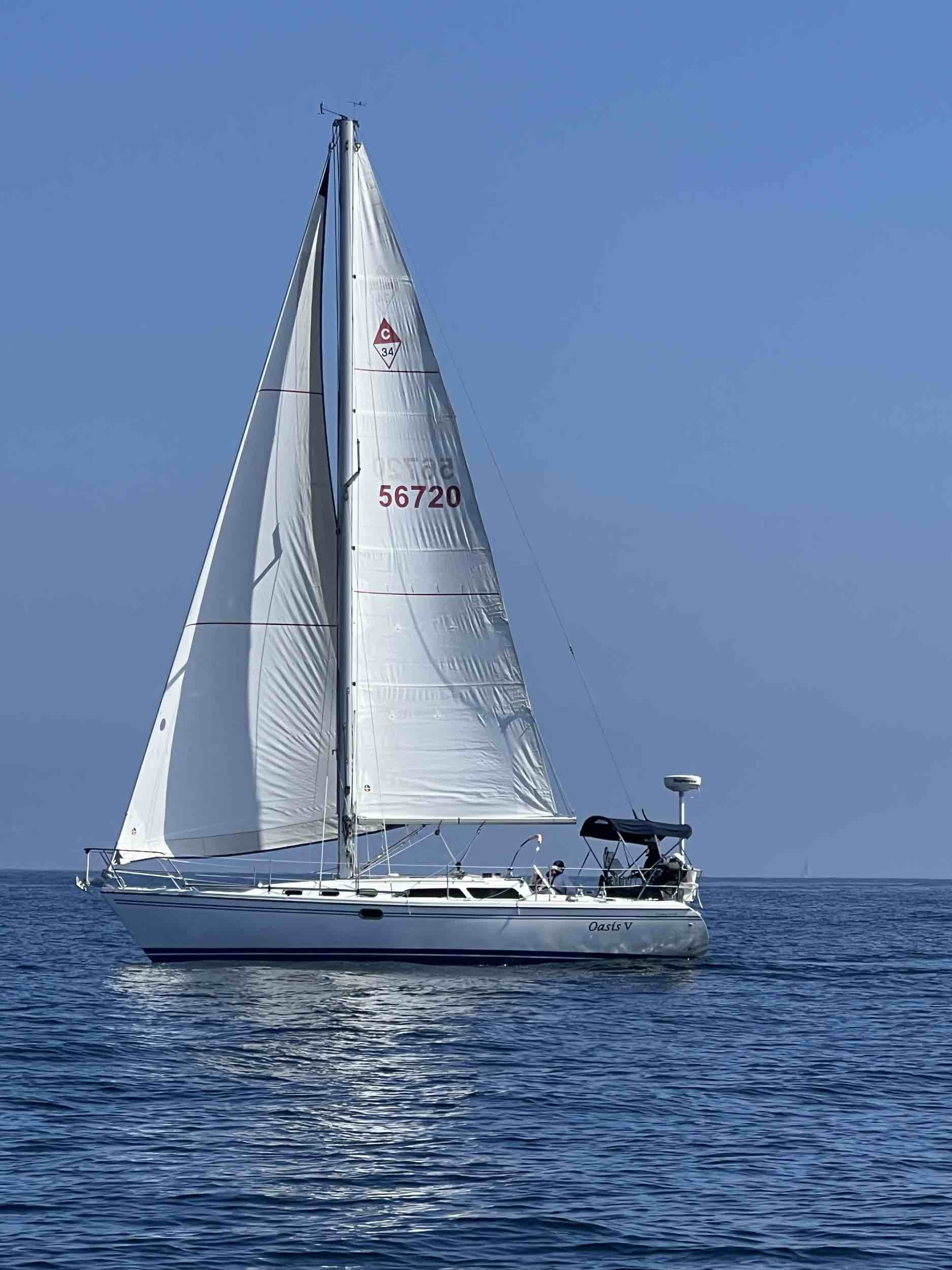
Oasis VI
Catalina 34 Mkii
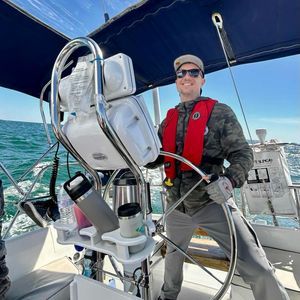
Practice session with my mentor Gerrit LeGrand, who stepped fully into the role of examiner for my upcoming skipper test. We had three crew aboard helping run through nearly the entire sequence of drills expected during the evaluation. The evening carried a steady 7–10 knots of breeze, enough to make the maneuvers meaningful without turning the session into survival mode. Conditions were ideal for exposing small mistakes in timing and coordination. We started with undocking procedures, including stalling the boat cleanly at the end of the slip channel, followed by straight reverse control and reverse parallel approaches to the dock. From there we practiced docking at the pump-out station, where I realized I still need sharper, more concise crew communication. Good helming is inseparable from good direction. A skipper who mumbles creates chaos. Once outside, we hoisted the mainsail and moved into handling drills under sail: tight figure-8 patterns, heaving-to, reefing underway, sailing under reefed main, then heaving-to again to shake the reef back out. Each maneuver forced attention to sequence and timing rather than brute force. We then transitioned into MOB recovery work, first under motor and then under sail. The sail recovery remains one of the most mentally demanding exercises because it compresses judgment, sail trim, wind awareness, and crew coordination into a very small margin for error. We also practiced buoy and marker approaches under varying wind conditions. Approaching bow-first with the wind directly astern feels entirely different from doing so with the wind on the beam. We then reversed to the buoy with the wind directly on the bow, which demanded patience and delicate throttle work instead of aggression. Toward the end came the more technical maneuvering drills: prop-walk turns, three-point turns, and finally docking back into the slip. Cleanly. Quietly. Squeak-less. What pleased me most was not perfection itself, but the rhythm of the session. We were out from roughly 4:00 to 5:30 p.m. and moved steadily from one exercise to the next without getting bogged down repeating maneuvers over and over. That usually means the fundamentals are becoming more instinctive rather than forced, which is probably the real threshold between “practicing sailing” and beginning to think like a skipper.
Download the SailTies app to leave a comment on this voyage.
Download SailTies to view crew logs, photos, and record your own voyages.
Scan to download